
Last updated November 21, 2026
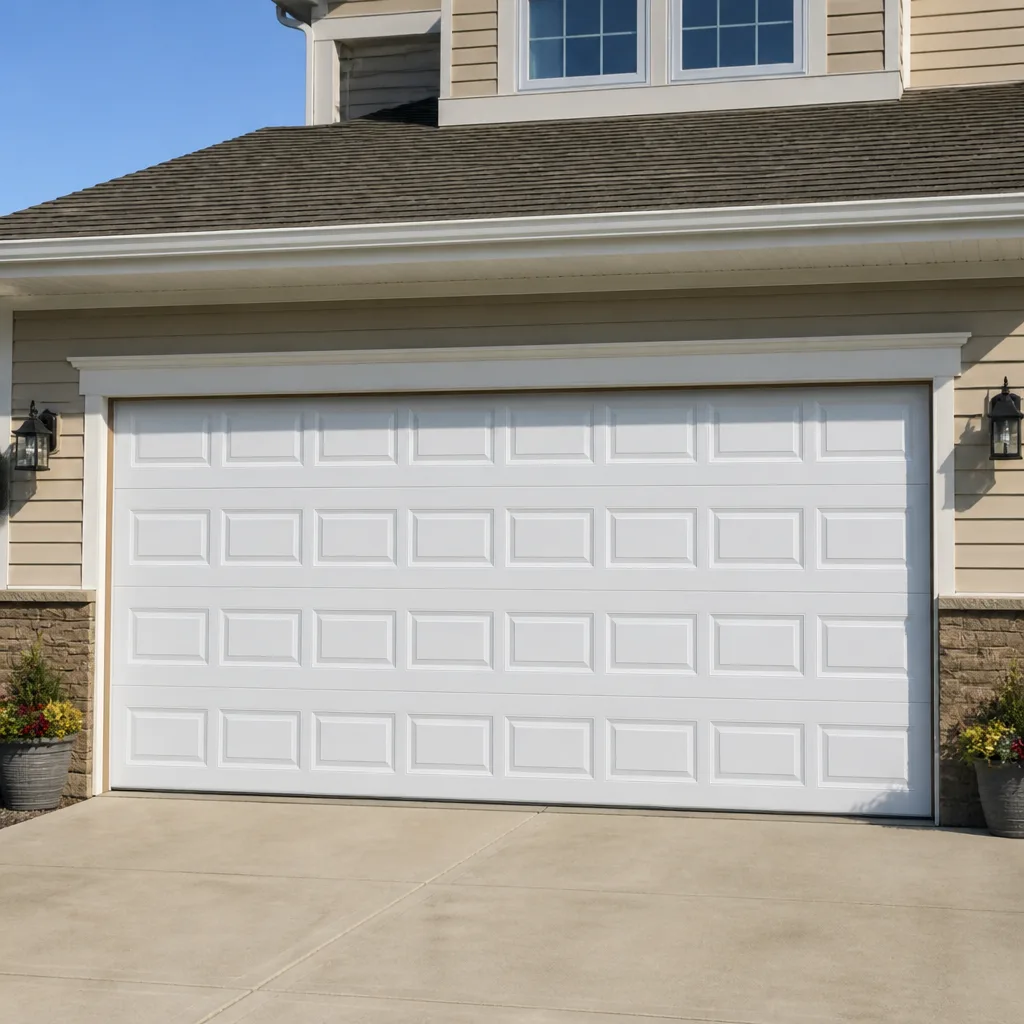 Raised-panel steel
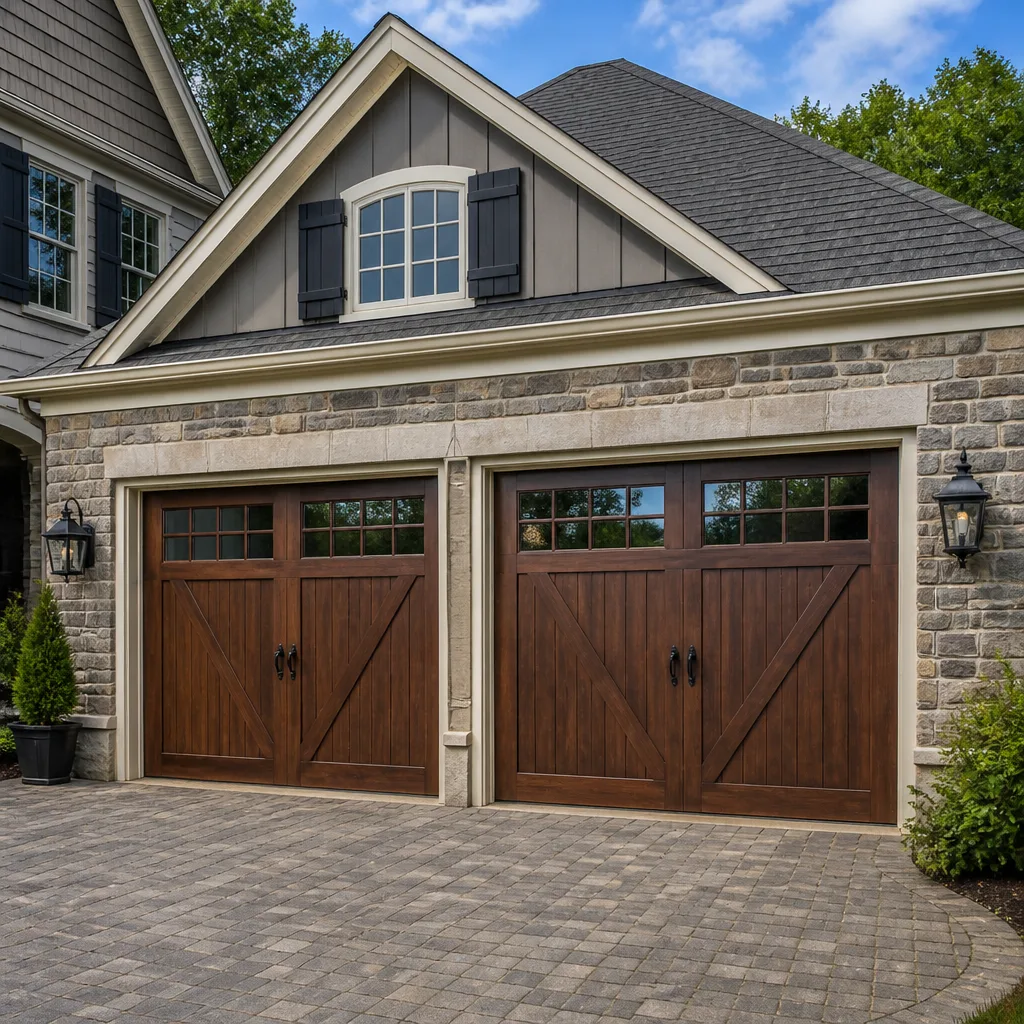 Carriage house
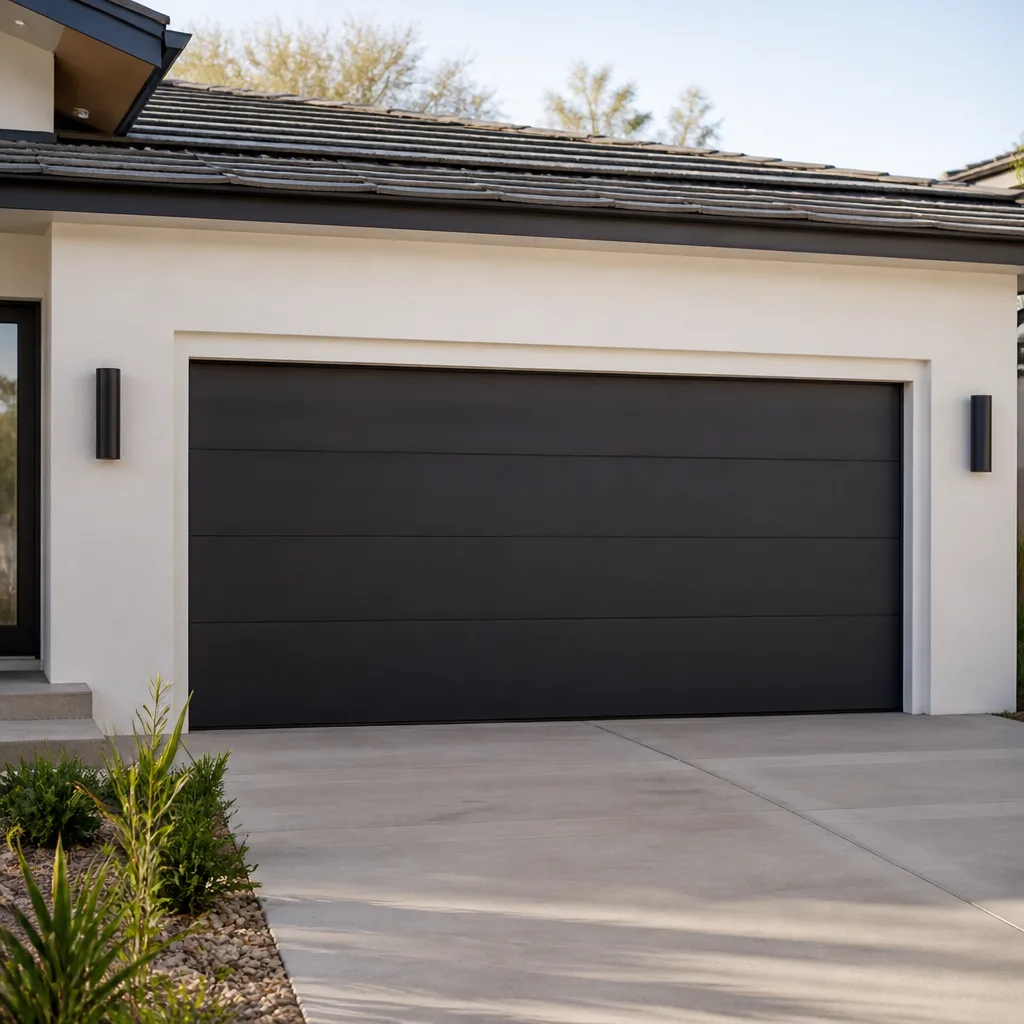 Modern flush
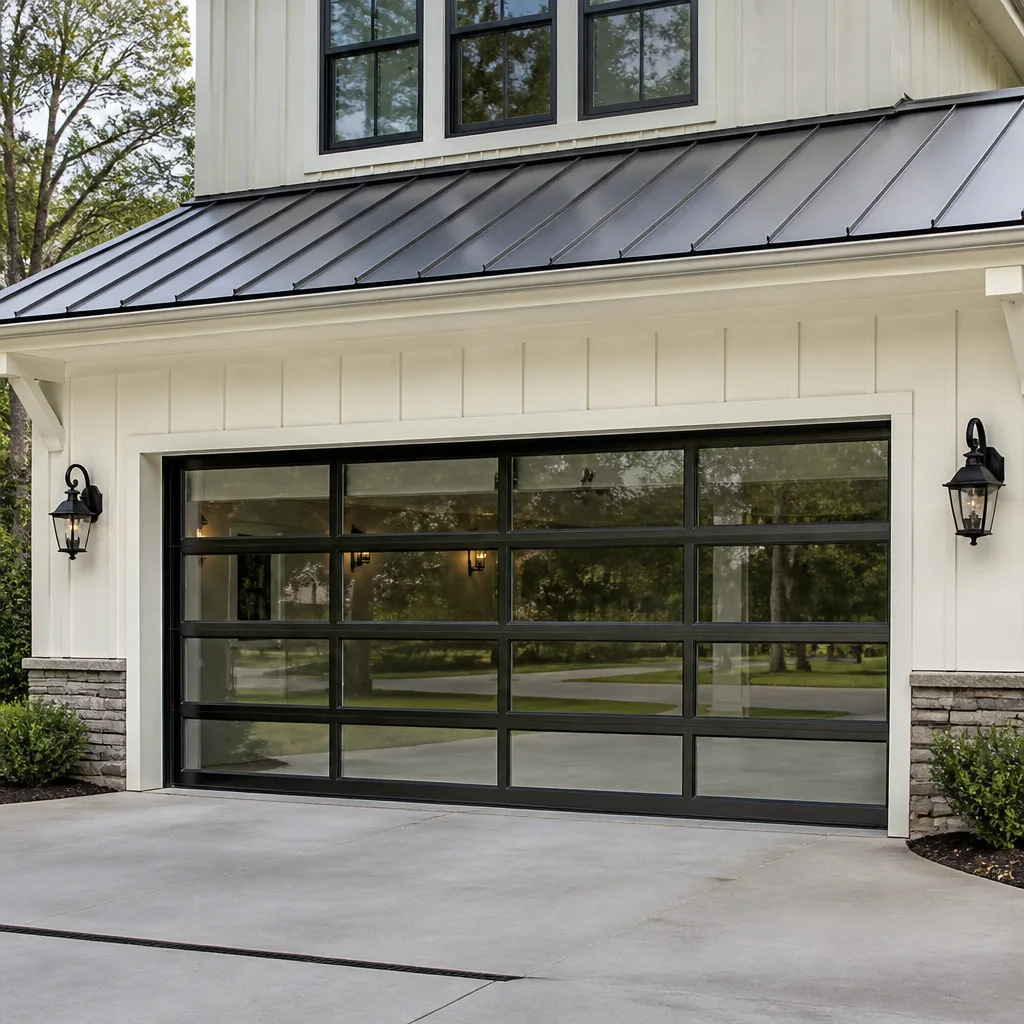 Full-view glass
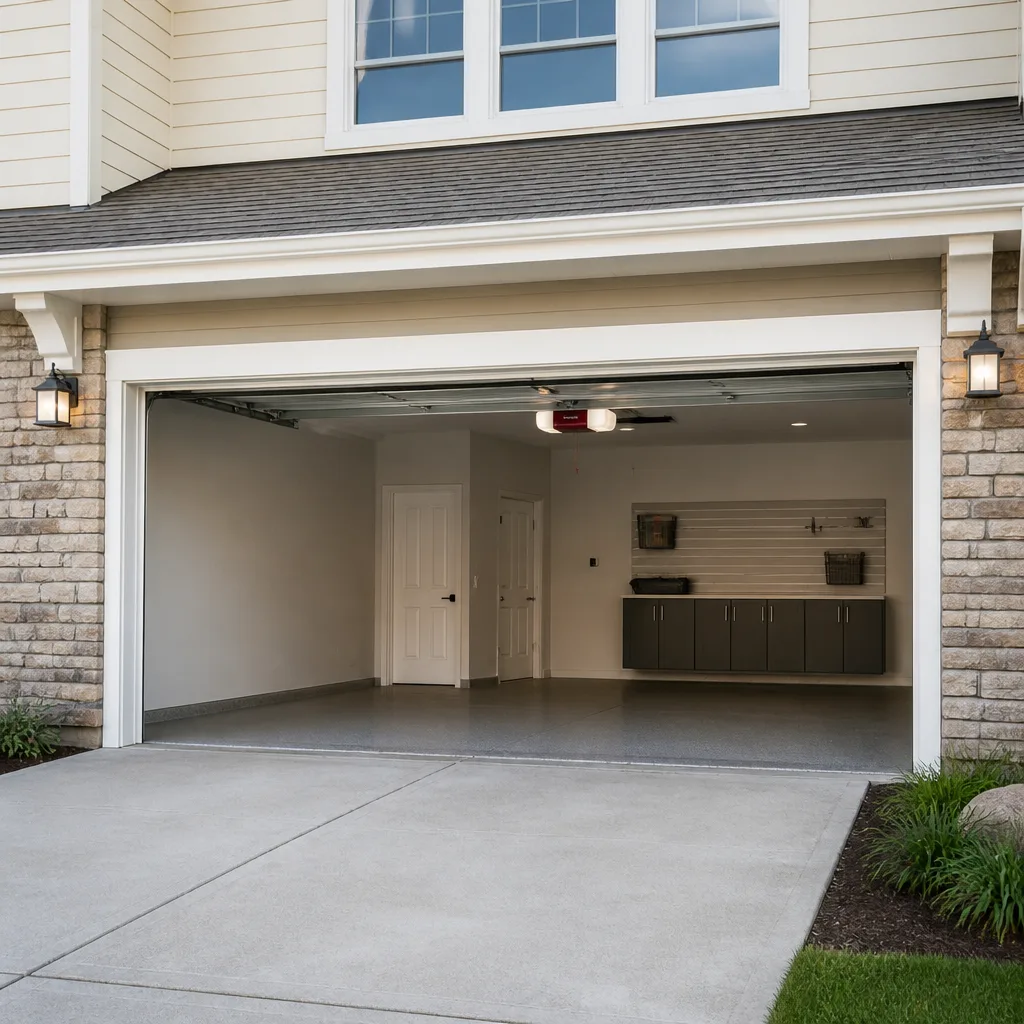 LiftMaster openers
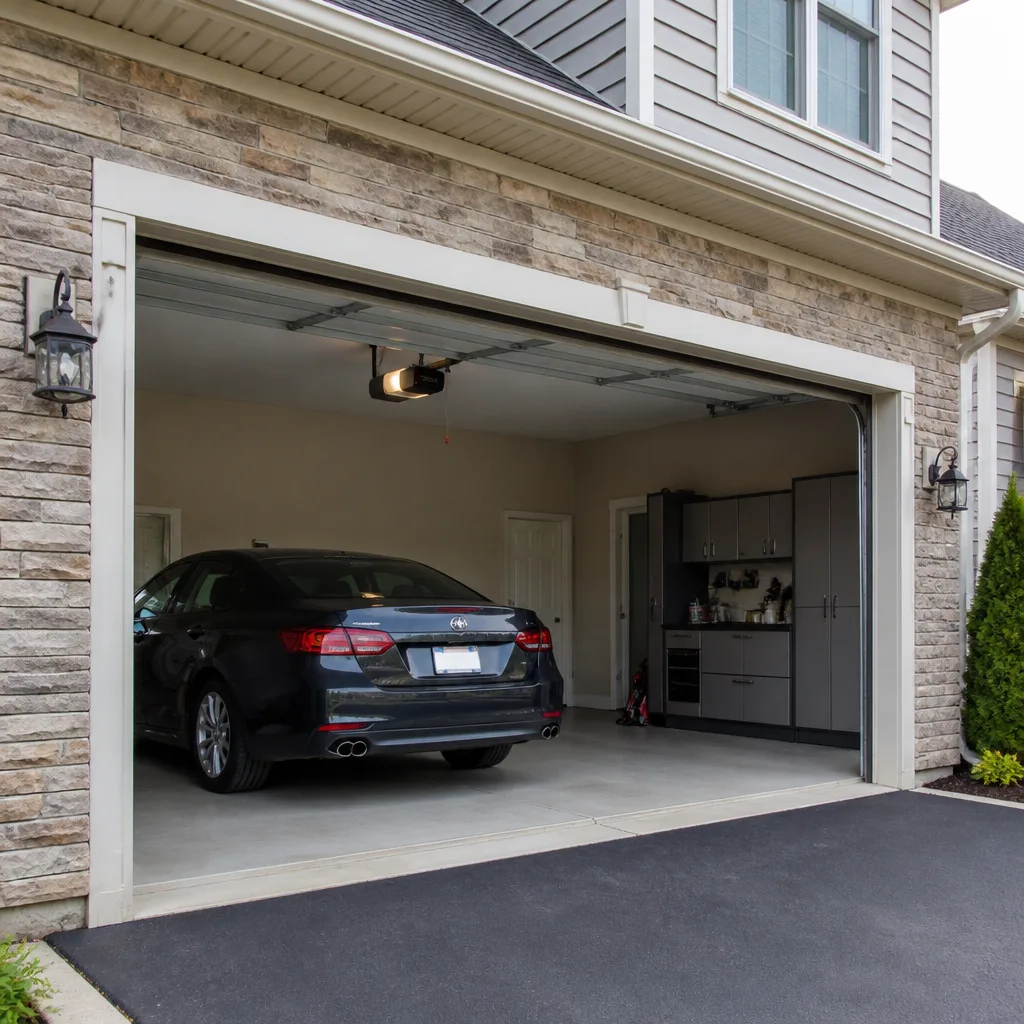 Chamberlain openers
Full 25-point door and opener safety check with every visit - springs, cables, rollers, tracks, and your LiftMaster or Chamberlain opener included
You get a price before we start. It does not change when the pro arrives.
Get your free estimateGarage Door Permits, Codes & Inspections in Akron, OH: What You Need to Know
Most Akron homeowners assume a garage door replacement is permit-free, and for a straight like-for-like swap of the same door in the same opening, they’re usually right. The trouble starts the moment the project changes: a heavier door, a new window row, a wider opening, a rusted-through header. That’s when the job shifts from “replace a part” to “alter the structure,” and the permit line moves with it. Plenty of installers never mention the difference, which leaves homeowners exposed down the road. This guide maps exactly where that line sits in Akron, what a city inspection actually checks, and how permit records follow a house through insurance claims and a future sale.
Quick Answer
In Akron, a like-for-like garage door replacement in an unchanged opening usually doesn’t need a building permit, but any project that changes the structural opening, the header, or the door’s weight class typically does. Automatic garage door operators must also meet Ohio Residential Code entrapment-protection requirements regardless of permit status. When in doubt, call the City of Akron’s building department before you order the door, because permit status affects insurance claims and property sale disclosures in Summit County.
Styles & brands we work with
- Raised-panel steel
- Carriage house
- Modern flush
- Full-view glass
- LiftMaster openers
- Chamberlain openers
Table of Contents
- Where the Permit Line Actually Sits in Akron
- The Specific Triggers for an Akron Building Permit
- Ohio Residential Code: Operators and Entrapment Protection
- How Permit Status Affects Insurance and Property Sale Disclosures
- What a City Inspection Actually Checks
- New Construction vs. Replacement: Different Permit Pathways
- Akron’s Climate and Housing Stock: Why Doors Move
- The Permit Process Step by Step
Where the Permit Line Actually Sits in Akron
The permit line in Akron runs through the opening, not through the door. If the rough opening stays the same size, the header stays intact, and the new door is the same weight class as the old one, most residential replacements proceed without a permit. The city treats that as maintenance. The door is a component; you’re swapping a component for a matching one.
The calculation changes when the project touches the building’s structure or changes how the door loads the structure. A heavier door puts more stress on the header, the tracks, and the springs. A wider or taller opening means framing changes. Adding a window row raises the door’s weight and shifts its balance point. None of those are maintenance anymore. They’re alterations, and alterations need a permit and an inspection.
In our experience, the confusion comes from the sales conversation, not the code. A homeowner picks a carriage-house style door because it looks better, the installer measures the opening, and nobody asks whether the new door weighs more than the old one. It usually does. That’s the point where the project crossed the line, and it’s also the point where it’s cheapest to sort out: before the door is ordered, not after it’s hung.
If you’re replacing a door and aren’t sure which side of the line you’re on, the answer is a phone call to the city, not a guess. Ask them to describe your project back to you: “same size, same weight, same opening” or “heavier door, new window row.” Their answer tells you whether to file.
The Specific Triggers for an Akron Building Permit
These are the project changes that typically push a garage door job into permit territory in Akron. Treat this as a working checklist, not a legal opinion, and confirm with the building department before you commit to a door order.
- Structural header changes. Replacing, reinforcing, or resizing the header above the opening is structural work and generally requires a permit.
- Rough opening modifications. Making the opening wider or taller means cutting framing and rebuilding it, which is structural.
- Door weight class changes. Moving from a light steel door to a heavier insulated or carriage-house style raises the load on the header and the spring system, and often triggers review.
- Adding windows or major section changes. A window row is a weight change, and on older doors it can also affect the door’s structural rating.
- Converting a manual door to an automatic operator. The operator itself must meet entrapment-protection requirements, and the electrical work may need a separate electrical permit.
- New construction or an addition that includes a garage. Any new garage door in new construction goes through the full permit pathway.
- Changing the door’s function. Turning a storage bay into a vehicle bay, or the reverse, changes the load assumptions and usually needs review.
Notice what’s not on the list: a spring replacement, an opener swap on an existing door, a cable or roller replacement, or a same-size same-weight door swap. Those are repair and maintenance work. They still need to be done correctly, especially springs, but they don’t go through the city. That distinction matters because it’s the most common source of unnecessary permit anxiety we hear about in Akron.
Ohio Residential Code: Operators and Entrapment Protection
Ohio’s residential code treats an automatic garage door operator as a specific piece of equipment with specific safety requirements, and the central one is entrapment protection. The code requires that an operator either reverse on contact or use a functioning safety reverse system, and that the installation include the safety features the manufacturer designed it to use. In plain terms: the opener has to be able to detect an obstruction and reverse, and the safety eyes have to be installed, aligned, and working.
What that means for Akron homeowners:
- The operator and the door have to match. An opener sized for a light door will struggle with a heavy one, and the safety reverse may not function correctly if the door’s balance is off.
- Safety eyes are required equipment, not an option. If yours are missing, misaligned, or taped over, the installation doesn’t meet the code’s intent.
- The manual release has to work. You should be able to disengage the door from the opener by hand, and the door should stay put when you do.
- Electrical work follows electrical rules. A new circuit or outlet for the opener is electrical work and may need its own permit and inspection.
We work on LiftMaster and Craftsman operators regularly, and both lines build their safety systems around the same principle: the door has to reverse when it meets resistance, and the eyes have to confirm the path is clear. If a technician installs the operator without checking the door’s balance first, the safety reverse can fail the test even though the opener itself is fine. That’s why balance and spring condition matter as much as the electronics.
This is also where the trade gets genuinely dangerous. The springs and cables under tension are the components that injure people, and the entrapment risk is real for kids and pets. A trained technician should handle spring work and operator adjustments. We don’t recommend DIY on either, and a code-compliant installation is the floor, not the ceiling.
How Permit Status Affects Insurance and Property Sale Disclosures
Permit status isn’t just a bureaucratic checkbox in Akron; it follows the house. If a garage door project required a permit and none was pulled, the work is unpermitted, and that fact can create problems in two places homeowners care about: insurance claims and the sale of the property.
On the insurance side, carriers care about whether structural work was done to code. If a door or opening fails and causes damage, and the carrier asks for the inspection record, an unpermitted alteration can complicate the claim. We’re not going to tell you a specific claim will be denied, because that depends on the carrier, the policy, and the circumstances. But the safest position is a paper trail: permit pulled, inspection passed, record on file.
On the sale side, Ohio sellers complete a residential property disclosure form, and unpermitted structural work is a disclosure issue. Summit County buyers and their inspectors look for permit history on a house, and a garage door alteration with no record can stall a closing or turn into a negotiation. It’s not the kind of thing that surfaces at the open house. It surfaces during the inspection contingency, when everyone is already committed.
The practical takeaway: if your project crossed the permit line, pull the permit. It costs less than the alternative, and it protects the value of the house you’re improving. If you’re not sure whether you crossed it, that’s a question for the city and, honestly, for a specialist who can look at your opening and tell you what the new door will do to it. A free estimate on a garage door installation is a good place to have that conversation before you buy anything.
What a City Inspection Actually Checks
A city inspection of a permitted garage door project isn’t a quality review of the door you bought. It’s a check that the structural work and the safety systems meet code. That distinction matters, because installers sometimes assume the inspector will catch things the inspector isn’t looking for, and homeowners sometimes assume the inspector is grading the finish.
What the inspection typically focuses on:
- The framing and header. Was the opening framed correctly, with the header sized and installed to carry the load? This is the core of the structural inspection.
- Attachment and fastening. Are the tracks, brackets, and operator securely fastened to sound framing?
- Entrapment protection. Do the safety eyes work, and does the door reverse when it meets an obstruction?
- The operator installation. Is the operator installed per the manufacturer’s instructions, with the manual release functioning?
- Electrical connections, if applicable. The electrical inspector handles the circuit and outlet for a new operator.
What the inspector generally doesn’t evaluate: how smoothly the door opens, how quiet the opener is, whether the springs are the right gauge for the door’s weight, or whether the panels are aligned. Those are installation-quality issues, and they’re on the installer and the homeowner to verify. The inspector isn’t running a balance test. A door that passes inspection can still be badly balanced, and a badly balanced door will wear out its springs and its opener long before its time.
That’s the gap we see most often in Akron. The inspection confirms the structure and the safety reverse, and the homeowner assumes the door was done right because it passed. Passing is the minimum. If you want the door to survive the swing from August humidity to January cold, the balance and spring setup have to be right too. If your door is already out of balance, garage door repair is the call, not a permit application.
New Construction vs. Replacement: Different Permit Pathways
New construction and replacement take different roads through Akron’s permit process, and it’s worth understanding both because the expectations are not interchangeable.
New construction. A garage door in a new house or an addition is part of the overall building permit. The plan review covers the opening, the header, and the door specifications. Inspections happen at framing and again at final, and the door installation is one piece of a much larger inspection schedule. The contractor of record, not the door installer, generally holds the permit.
Like-for-like replacement. Same size, same weight, same opening. No permit in most cases. The work is maintenance. Keep the invoice and the photos in your records; if you sell, they answer the question before anyone asks it.
Replacement with alterations. Heavier door, new window row, resized opening, header repair. This pulls a permit, and the inspection follows the work. It’s a smaller version of the new-construction path: framing inspection before the door goes on, final inspection after.
The mistake we see is a homeowner treating replacement-with-alterations as a like-for-like swap, because the door is going into the same hole. The hole is the same; the load isn’t. That’s the whole question. A garage door that weighs more than the one it replaced is a different structural conversation, and the permit office evaluates the structure, not the aesthetics.
If you’re planning a project in Akron and aren’t sure which pathway applies, describe the change to a specialist first. We can tell you whether the new door changes the weight class or the opening, and that’s the single fact that determines whether you file. From there, a call to the building department settles it.
Akron’s Climate and Housing Stock: Why Doors Move
Akron sits in the Cuyahoga Valley with lake-effect snow, wet springs, humid summers, and hard freeze-thaw cycles in winter. That swing works on a garage door every year. Wood framing expands and contracts. Steel panels move. Springs lose tension and eventually break, and a door that was balanced in July can be out of balance by February. The neighborhood housing stock matters here too: older homes in Akron often have original or mid-generation openings, and a new heavier door is exactly the kind of upgrade that changes the load on an older header.
What that means for permits and codes is straightforward. The climate doesn’t change the permit rules, but it changes how often a door needs attention, and it changes the stakes of an unbalanced install. A door that’s fighting the climate and out of balance will wear out its springs faster. And a spring that fails under tension is the dangerous part of this trade. We offer spring repair as a named service because it’s the repair that gets botched most often by people who don’t work on doors for a living.
The humidity and freeze-thaw also affect your operator. LiftMaster and Craftsman units both have safety reverse systems that depend on a door that moves freely. If the door is binding on its tracks because the framing moved over the winter, the operator’s safety reverse may not function as designed. That’s a code-relevant condition, and it’s a reason to have the door checked when the season changes.
None of this requires a permit. It requires maintenance, and occasionally a garage door opener repair call when the electronics or the safety eyes act up. Our technicians have up to 15 years of experience with the brands in this market, including Wayne Dalton and Raynor doors alongside LiftMaster and Craftsman operators, so they know the specific wear patterns these systems develop in Akron’s weather.
The Permit Process Step by Step
If your project needs a permit, this is the sequence that generally works. Confirm the specifics with the City of Akron’s building department, because timelines and requirements can vary by project.
- Define the change. Write down exactly what’s changing: door weight, opening size, header, windows, operator. “Same door but nicer” is not enough. The permit office needs the difference.
- Call the building department. Describe the change and ask whether it needs a permit and what the submittal requires. Ask about the inspection sequence at the same time.
- Gather the submittal. That usually includes the door specifications, the manufacturer’s installation instructions, a drawing of the opening, and the contractor information.
- File and get the permit. Once it’s issued, you can schedule the work.
- Framing inspection. If the opening or header is being modified, the framing is inspected before the door covers it.
- Install the door and operator. The operator and safety eyes go in to the manufacturer’s specifications and the code’s entrapment requirements.
- Final inspection. The inspector verifies the structure, the attachment, and the safety reverse.
- Keep the record. The permit and inspection record belong in your house file. They answer the insurance and disclosure questions before they’re asked.
The one step homeowners skip is the first one. They call an installer, pick a door, and let the installer decide whether a permit is needed. Sometimes that’s fine. Sometimes the installer is focused on the door and not on the opening, and the permit question never comes up. Getting the change defined first, in structural terms, is what keeps the project on the right side of the line.
If the door project is also an operator project, the timing matters. Operators go in after the door is hung and balanced, because the safety reverse has to be set against a door that moves freely. If your operator is already misbehaving, sort that out separately from the permit conversation. A garage door opener repair call is the right move for a failing unit; a permit application is not.
Common Mistakes to Avoid
- Assuming all replacements are permit-free. The permit line is about the opening and the load, not the door’s appearance. A heavier door in the same hole can still need a permit.
- Not weighing the new door. Compare the new door’s weight class to the old one before you order. If it’s heavier, have the header and spring setup evaluated.
- Letting the installer decide the permit question. Installers are focused on the install. Ask the building department directly.
- Installing an opener without checking the door’s balance. The safety reverse depends on a freely moving door. Balance first, then the operator.
- Ignoring the safety eyes. Missing or misaligned eyes are a code problem and a real entrapment risk. Test them monthly.
- Skipping the final inspection. Passing framing doesn’t close the permit. The final inspection is what gets the record on file.
- Losing the paperwork. The permit and inspection record is what you hand a buyer or an adjuster later. Put it in the house file the day it’s issued.
See the difference
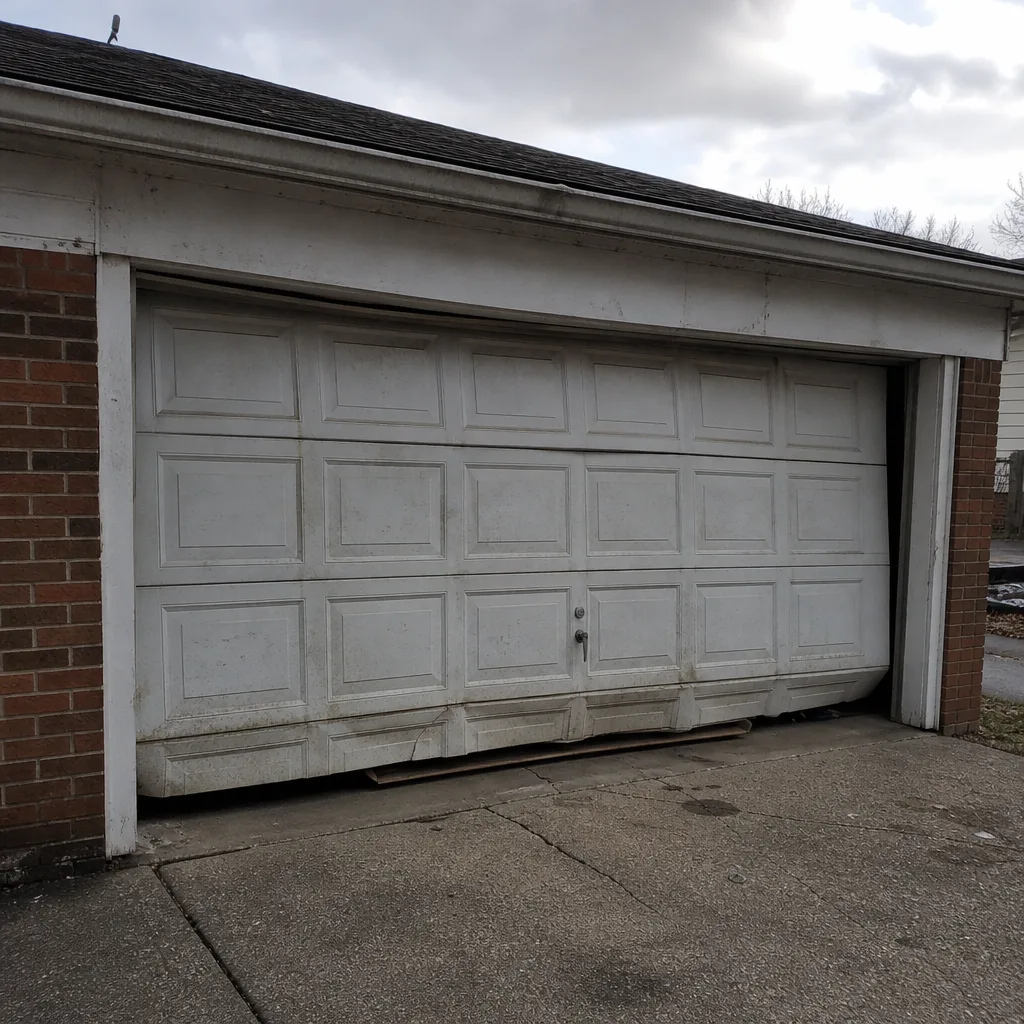 Before
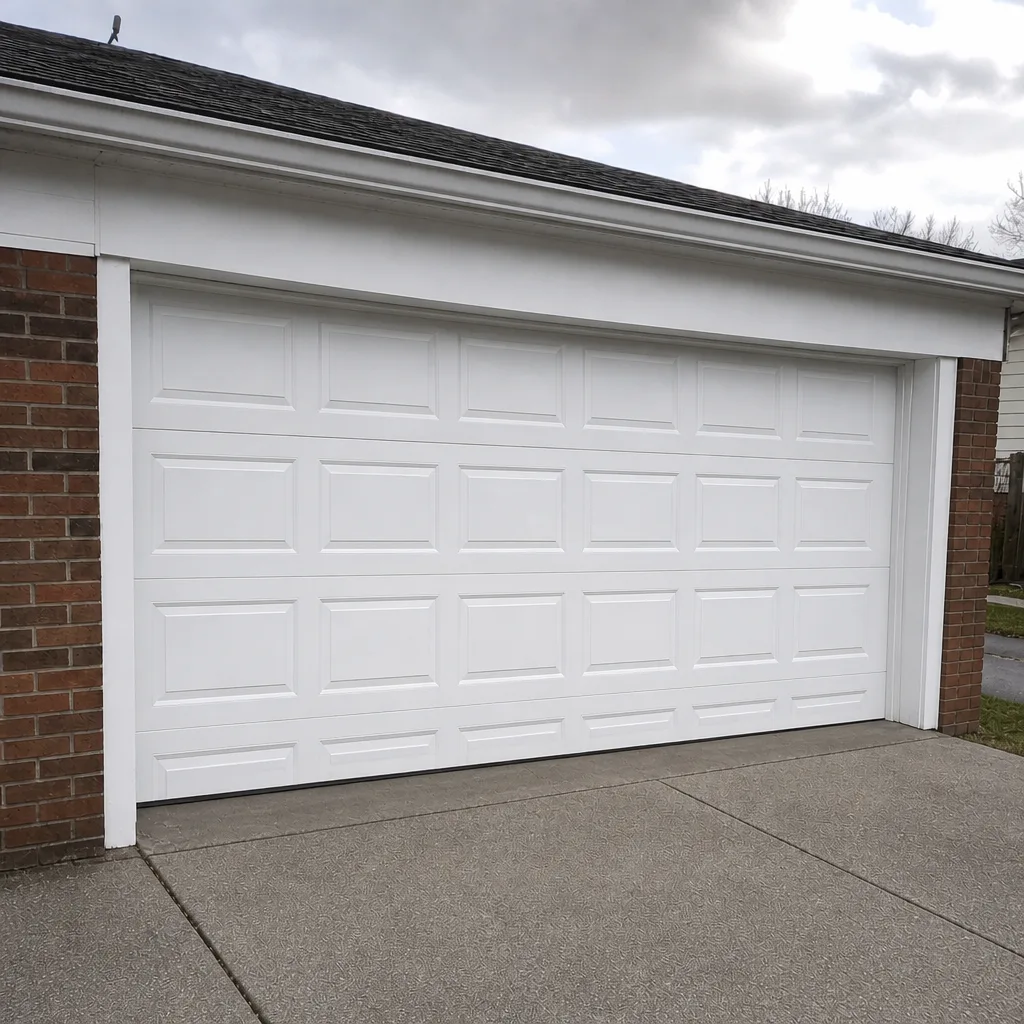 After
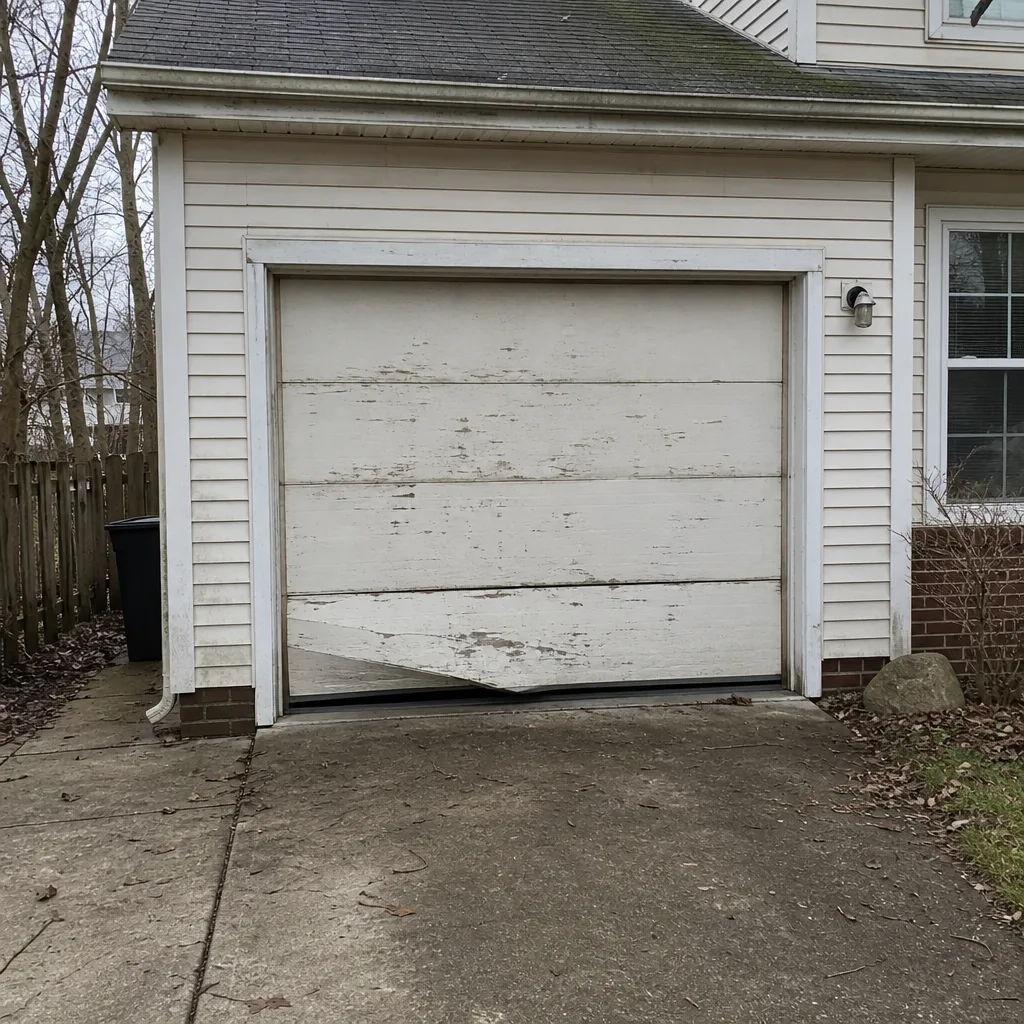 Before
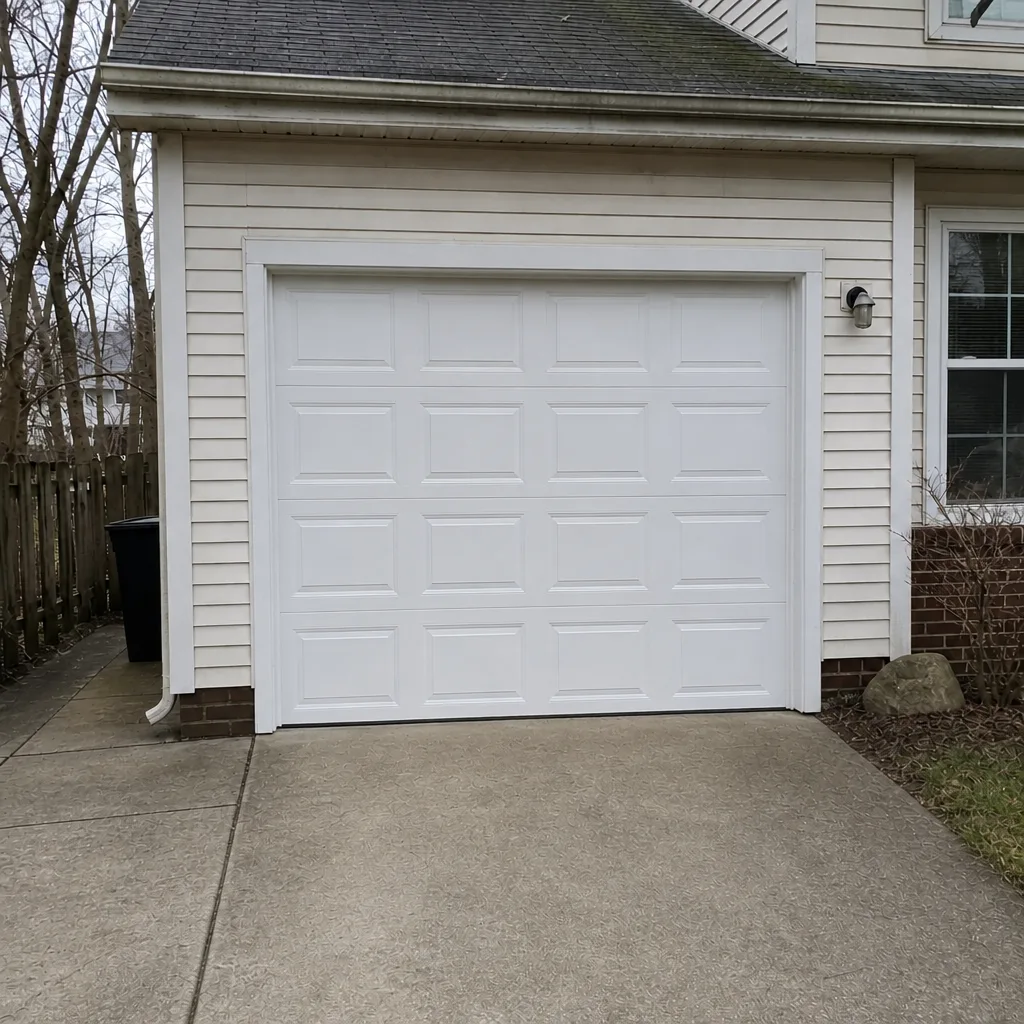 After
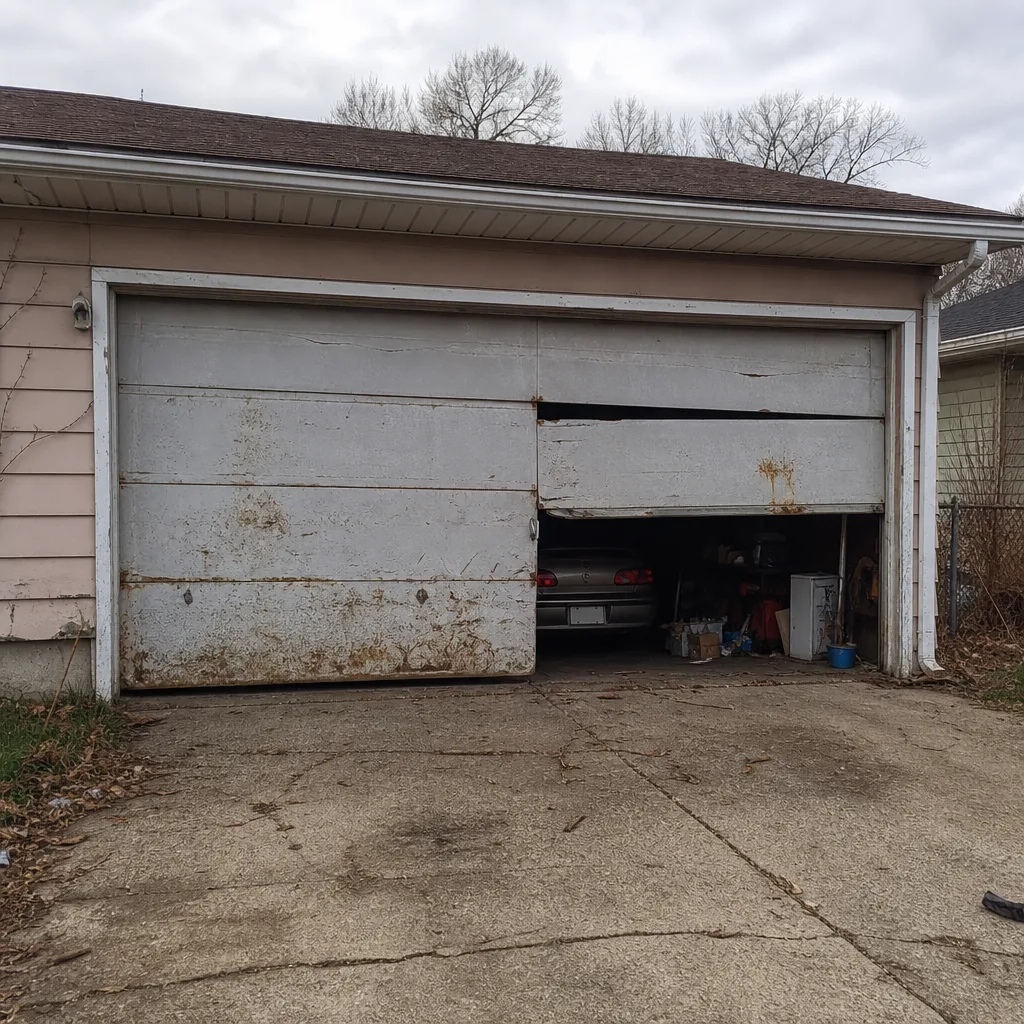 Before
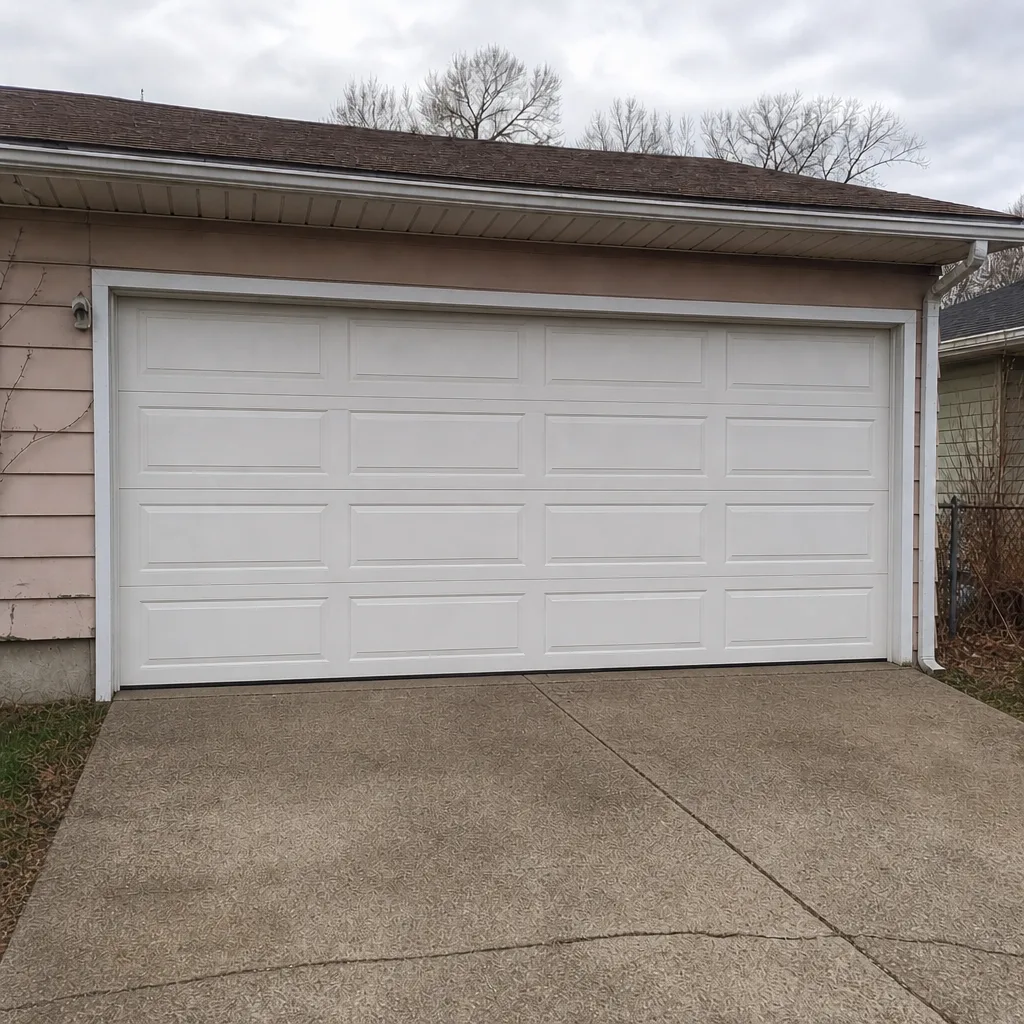 After
When to Call a Professional
Call for anything involving the springs, the cables, the header, the operator’s safety reverse, or a door that’s out of balance or binding on its tracks. Those are the parts of the trade that injure people when they’re handled without the tools and the training. Call too if your project changed the door’s weight or the opening and you’re not sure whether a permit is needed: a specialist can look at the opening, compare the loads, and tell you what the city will want to see. Garage Door Repair Akron Pros offers free estimates in Akron. Call (833) 317-2051. We answer 24/7. Fast dispatch from 7am to 7pm, Sunday through Friday. We’re closed on Saturdays. A call outside dispatch hours is booked into the next opening, Sunday through Friday, 7am to 7pm.
We work on all four of the major lines you’ll find in Akron homes, including garage door repair for the doors already in place, and we quote the price in writing before any work starts. If the quote changes once we’re on site, it changes because you approve the change first.
Frequently Asked Questions
Usually not for a like-for-like replacement, but yes if the project changes the structural opening, the header, or the door’s weight class. Same size, same weight, same opening is generally maintenance. Anything heavier, wider, or taller is an alteration, and that’s where the permit requirement kicks in. Call the City of Akron’s building department to confirm your specific project, or call (833) 317-2051 for a free estimate and a look at the opening.
The operator itself usually doesn’t need a building permit on an existing door, but the electrical work for a new circuit or outlet may need an electrical permit. Separately, the operator must meet Ohio Residential Code entrapment-protection requirements: safety eyes installed and working, and the door reversing on contact. If your current opener is failing, an expert diagnosis beats a guess. Call (833) 317-2051 for an exact quote. Estimates are free.
A city inspection checks the structural work and the safety systems, not the finish quality. It looks at the framing and header, how the tracks and brackets are attached, the entrapment protection, and the operator installation per the manufacturer’s instructions. It does not test whether the door is well balanced. That’s on the installer, and it’s why the balance and spring setup deserve as much attention as the inspection.
It can, in both cases, because permit records follow the property. Carriers may ask for inspection records when structural work is involved, and Ohio sellers complete a residential property disclosure form that covers unpermitted work. A buyer’s inspector looks for permit history on the house. The safest position is a paper trail, and it costs less than the alternative. Call (833) 317-2051 if you want a specialist to review what your project actually changed.
Yes. We can define the scope in structural terms, install the door and operator to the manufacturer’s specifications, and coordinate the work so the framing and final inspections land in the right order. We quote the price in writing before any work starts, and the written estimate sets the final price. Call (833) 317-2051 for a free estimate in Akron.
The City of Akron’s building department inspects permitted work and issues the record. You know it passed when the inspection is signed off and the record is issued to the permit holder. Keep that record in your house file. If you’re selling, it’s the document that answers the disclosure question without a conversation.
The Bottom Line
The permit question in Akron comes down to one thing: did the project change the structure or the load? A like-for-like door swap is maintenance. A heavier door, a resized opening, a header repair, or a window row is an alteration, and alterations need a permit and an inspection. The operator has to meet Ohio’s entrapment-protection requirements either way, and passing inspection is the floor, not proof the door was done well. Keep the paperwork, check the balance, and test the safety eyes. If your project is on the wrong side of the line, or you’re not sure, call a specialist before you order the door.
Call (833) 317-2051 for a free estimate. We answer 24/7. Fast dispatch from 7am to 7pm, Sunday through Friday. We’re closed on Saturdays. A call outside dispatch hours is booked into the next opening, Sunday through Friday, 7am to 7pm. The written estimate sets the price, and it’s agreed before any work starts.
Written by the team at Garage Door Repair Akron Pros.