
Last updated November 21, 2026
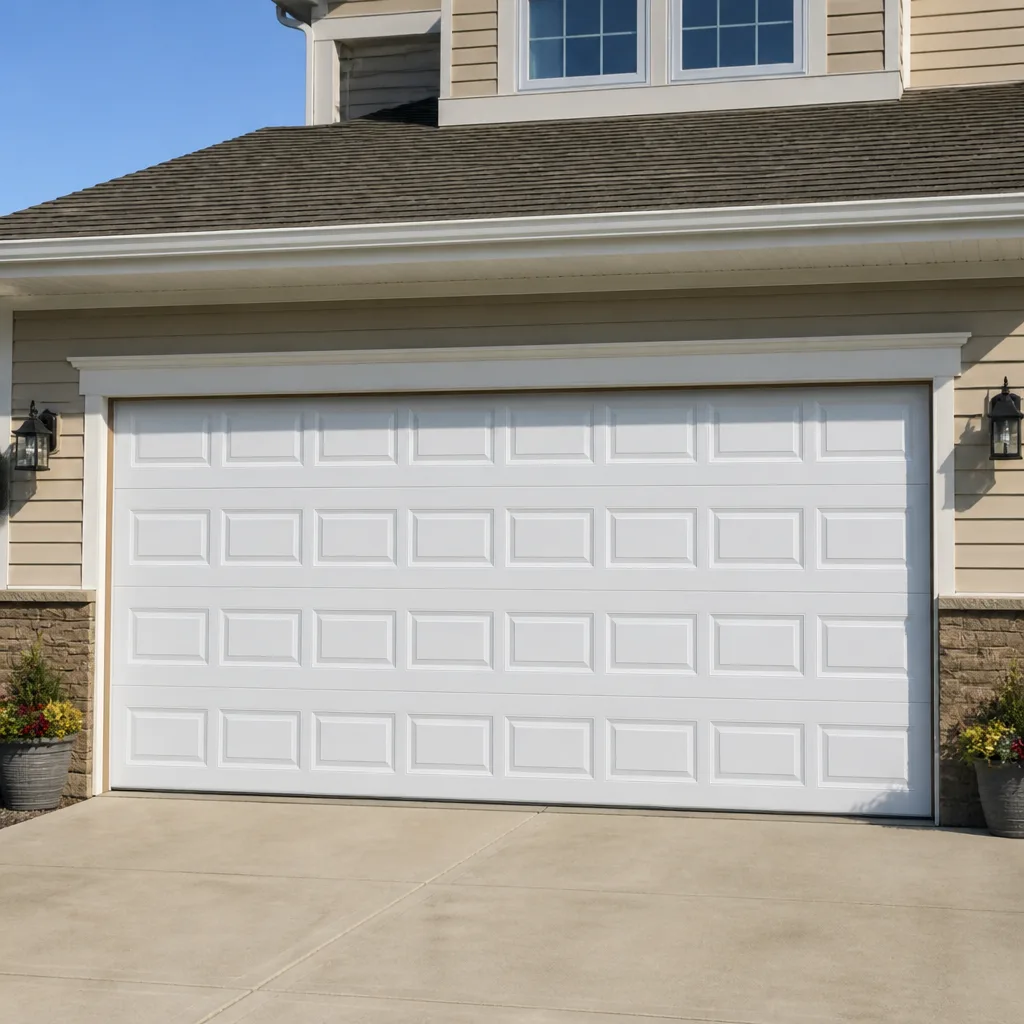 Raised-panel steel
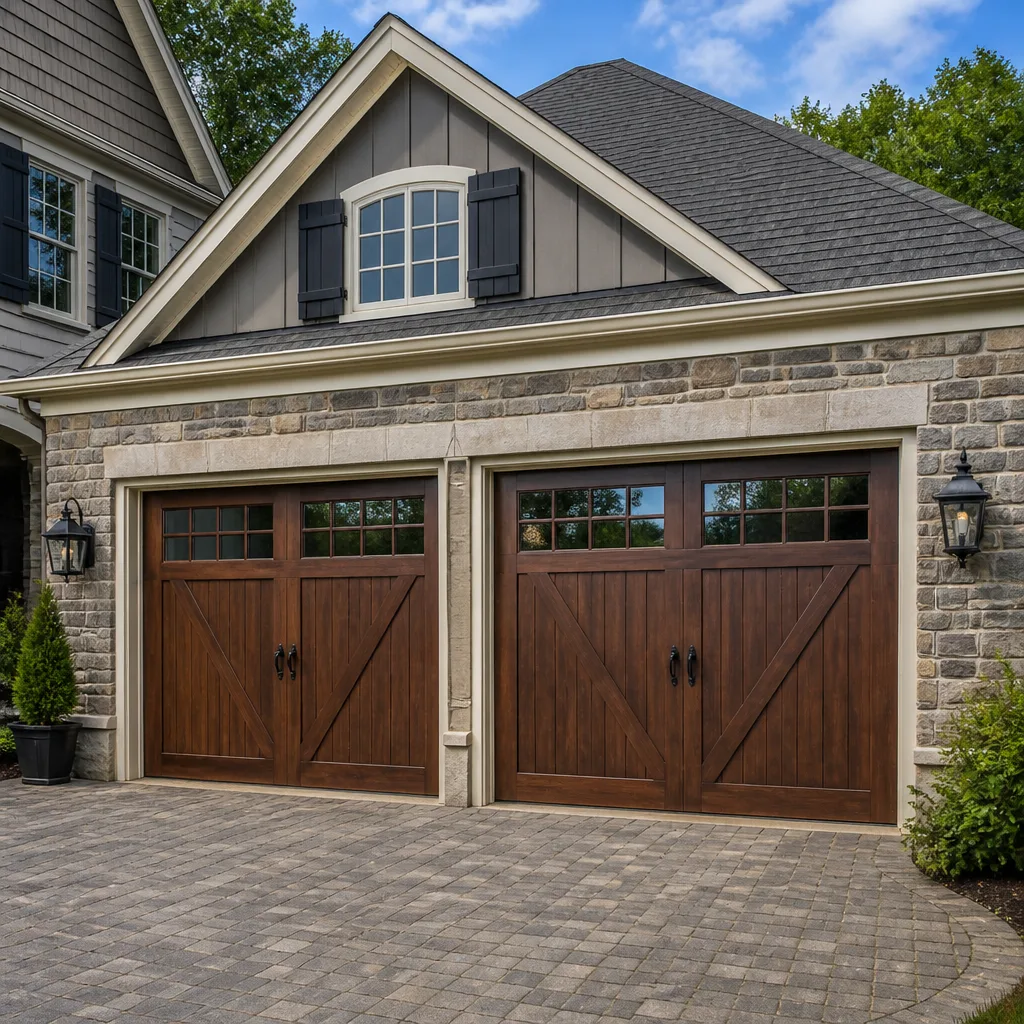 Carriage house
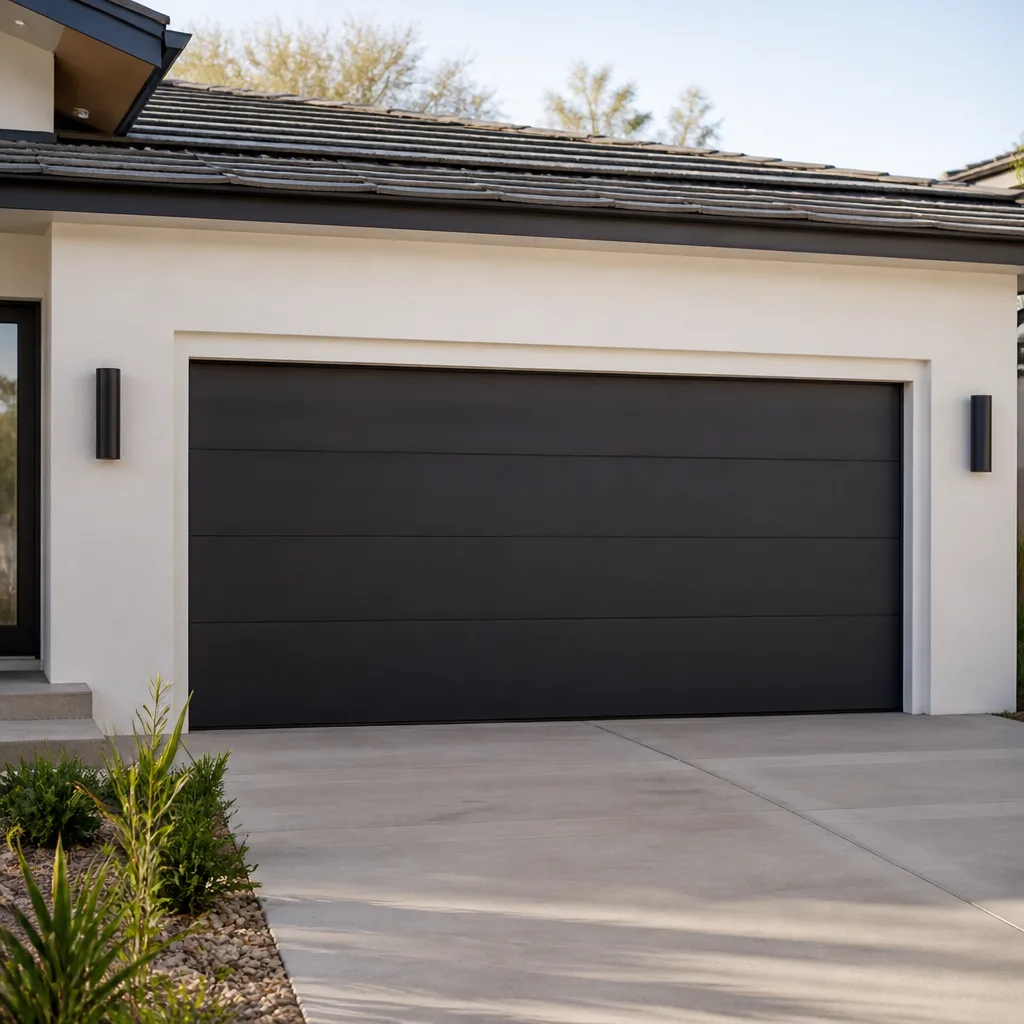 Modern flush
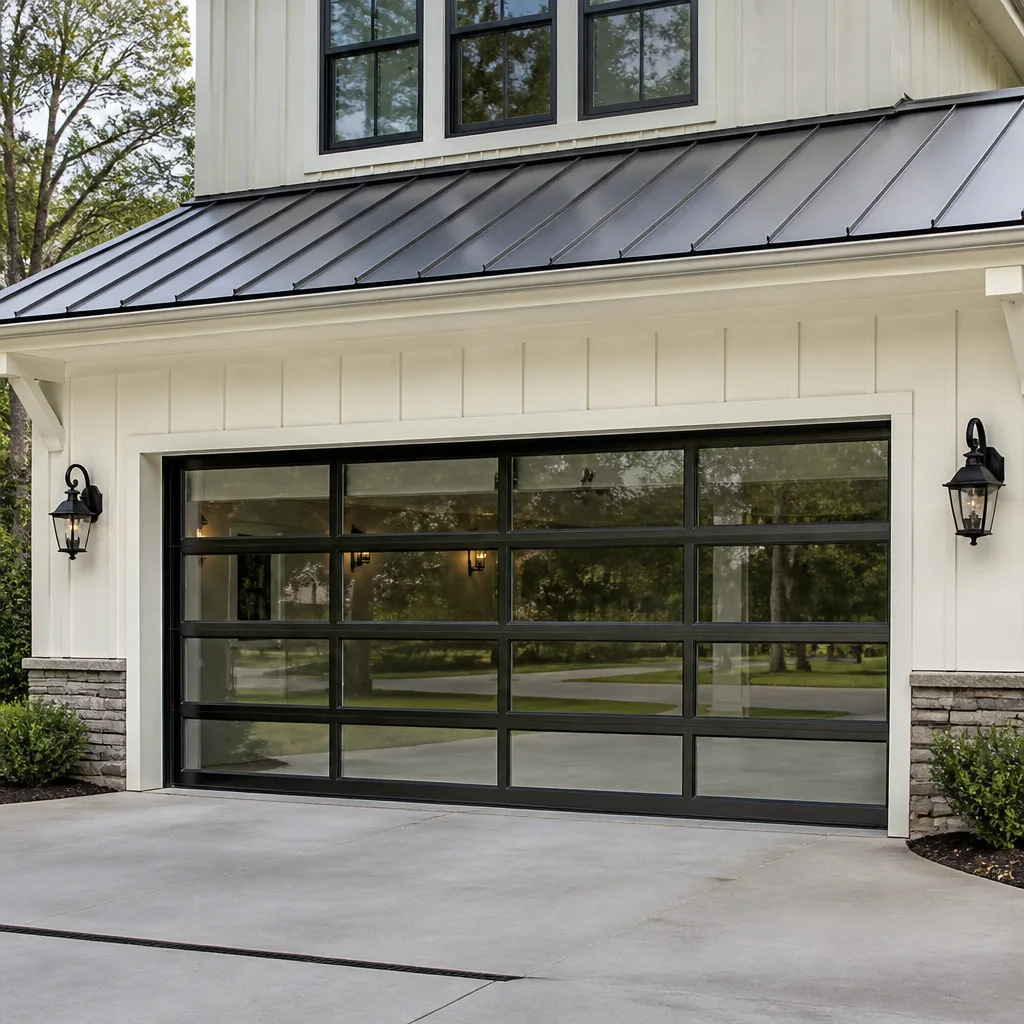 Full-view glass
 LiftMaster openers
 Chamberlain openers
Full 25-point door and opener safety check with every visit - springs, cables, rollers, tracks, and your LiftMaster or Chamberlain opener included
You get a price before we start. It does not change when the pro arrives.
Get your free estimateHow to Hire a Garage Door Contractor in Akron: A Step-by-Step Guide
A contractor who installs garage doors two or three times a month will diagnose a grinding opener differently than one who works on doors every single day. The occasional installer replaces the part that failed. The specialist asks why it failed in the first place, because the same worn bearing or misaligned track will eat the new part too. That gap in diagnostic depth is where Akron homeowners lose money, and it has nothing to do with background checks or how polished a quote looks. In this guide, we’ll walk through the questions that expose whether a contractor truly specializes in garage doors, how to read a quote, what warranties actually cover, and how to compare bids that use different parts.
Quick Answer
Hire a garage-door-only specialist by verifying their focus, asking brand-specific diagnostic questions, demanding written quotes with part numbers and labor broken out, and confirming that warranty terms cover labor on the specific components they’re replacing. In Akron, that means looking past general handymen and big-box installation crews who treat doors as one of many services. The right contractor will talk about cycle ratings, door weight, and spring grades without prompting, and will put it in writing before any work starts.
Styles & brands we work with
- Raised-panel steel
- Carriage house
- Modern flush
- Full-view glass
- LiftMaster openers
- Chamberlain openers
Table of Contents
- Why Specialist vs. Generalist Matters in Akron
- The Interview Questions That Reveal True Specialization
- What Ohio Licensing Covers for Garage Door Work
- How to Read a Garage Door Quote
- Why Three Spring Quotes Can Mislead You
- Evaluating Warranties: Parts vs. Labor
- Akron-Specific Factors That Affect the Job
- Common Mistakes to Avoid
- When to Call a Professional
- Frequently Asked Questions
Why Specialist vs. Generalist Matters in Akron
Garage doors are a system: springs, cables, drums, tracks, hinges, rollers, and an opener all balanced against the weight of the door. Every component interacts with every other component. A general handyman can swap a roller or tighten a hinge, but when the door is grinding, binding, or reversing, those same symptoms can point to three or four different root causes. The specialist knows which one to test first.
We work on garage doors every day, and that repetition shows up in diagnosis. A technician who has diagnosed thousands of openers recognizes the sound of a failing logic board on a Craftsman unit versus a stripped gear on a Genie almost instantly. A contractor who installs two doors a month may need to replace parts by trial and error. The homeowner pays for that trial and error twice: once for the wrong part, and again for the right one.
Akron has a specific wrinkle here. The housing stock includes a lot of older homes with original doors and openers that have been patched over the years, alongside newer builds with modern equipment. A specialist walks into that situation expecting mixed parts and legacy hardware. A generalist walks in assuming it’s a standard job and gets surprised when the door doesn’t match the spec sheet.
- Single-trade focus: The contractor works only on garage doors and openers, not twenty other services.
- Brand fluency: They know the specific quirks of your equipment, not just the general category.
- Diagnostic depth: They explain why a part failed, not just what to replace.
- Parts knowledge: They can name spring wire gauges, cycle ratings, and opener models without looking them up.
If a company handles plumbing, roofing, and garage doors, the garage door work gets whatever attention is left after everything else. That’s not a knock on those businesses. It’s a reality of how attention and inventory get divided. For a system this mechanical and this hazardous, we think the door deserves the whole focus.
The Interview Questions That Reveal True Specialization
The fastest way to separate a specialist from a generalist is to ask questions where the answer can’t be faked. A contractor who works on doors daily will answer these without hesitation and without translating from a script. A generalist will hedge, generalize, or say “we’ll see when we get there.”
The core questions
- “What percentage of your work is garage doors?” Look for a high number. A specialist will tell you it’s the bulk of what they do. A generalist will tell you it’s “part of a full range of services.”
- “Which door and opener brands do you work on most?” Listen for specific names. If they hesitate, they haven’t worked on enough units to have a pattern. Our technicians are experienced with LiftMaster, Chamberlain, Genie, Clopay, Amarr, Wayne Dalton, Craftsman, and Raynor equipment.
- “What spring cycle rating will you quote me?” This is the question that separates the pros. Springs are rated by cycles, and a contractor who doesn’t know the rating is quoting you a mystery part.
- “How do you test balance before you leave?” A real technician will describe lifting the door halfway and watching whether it holds. A generalist will say “we check that it works.”
- “What’s the most common reason doors fail in this area?” A specialist who works here will tell you about wear patterns, temperature swings, and what they typically see on older Akron doors.
- “Can you put all of that in the written quote?” If they can’t, keep calling.
What the answers tell you
Someone who works on doors every day will talk about the specific brand and model before you tell them what you have. They’ll describe failure modes for Amarr doors versus Wayne Dalton doors, because they’ve seen those doors fail in different ways. They’ll know what a Raynor opener does when a logic board is going versus when a travel limit is out of adjustment. That fluency can’t be faked in a phone call.
For urgent situations where you need someone out the same day, these questions still apply, just compressed. You’re still looking for specific answers, not vague reassurance. Same-day and emergency service should come from a specialist, not a generalist who happens to be free.
What Ohio Licensing Covers for Garage Door Work
Here’s a point that surprises a lot of homeowners: Ohio doesn’t have a statewide license specifically for garage door contractors. The state licenses certain trades (electrical, plumbing, HVAC), but garage door installation and repair don’t fall into those licensed categories. That means the license you see on a contractor’s card may not cover the work you’re hiring them for.
What does apply is general contractor registration in some jurisdictions, insurance requirements, and consumer protection law. The practical move is to verify three things directly:
- General liability insurance. Ask for a certificate of insurance and check that it’s current. Don’t take “we’re fully insured” as a yes.
- Workers’ compensation coverage. If a technician is injured on your property and the employer isn’t covered, that can come back to you.
- Local registration where required. Akron and surrounding Summit County communities may have their own contractor registration requirements. Call your city’s building department and ask what applies to garage door work on a residential property.
Many companies present themselves as licensed and insured when what they mean is state-registered as a business entity or licensed in a different trade. The two are not the same. If a contractor can’t tell you exactly what license they hold and what it covers, treat that as a gap. The local pro we connect you with is licensed and insured as their state requires, and we’ll tell you plainly what that means for your job.
Permits are a separate question. Most garage door replacements and structural track changes require a permit in this region, but not every repair does. Ask your city’s building department directly. Don’t rely on the contractor to know, and don’t assume they filed one.
How to Read a Garage Door Quote
A good garage door quote is specific enough that you could hand it to a different contractor and they’d understand exactly what’s being done. A bad quote has line items like “labor: $200” and “misc parts: $150.” The difference matters when something goes wrong later and you need to know what you actually paid for.
What a written quote should include
- Part brand and part number for every component being replaced, including springs, rollers, hinges, cables, and openers.
- Labor broken out separately from parts, so you can see what you’re paying for the work itself.
- Spring specifications if springs are involved: wire gauge, inside diameter, and cycle rating.
- Warranty terms for both parts and labor, with the duration for each on the specific components.
- A stated total and a stated scope that says what’s included and what isn’t.
- Whether a permit is required and who is responsible for pulling it.
The quote should be quoted and agreed before any work starts. If a contractor wants to “see what’s going on” before they’ll commit to a number, that’s not a measure-and-quote job. That’s a blank check with a handshake. We set every price per job by written estimate, and the number doesn’t change once the work begins.
Weather can affect the job: cold temperatures make some components more brittle, and doors that have been binding all winter often fail in spring. A contractor who’s been doing this in Akron will account for that in the quote rather than discovering it on site.
If you’re dealing with a full door replacement rather than a repair, garage door installation is a bigger job that requires accurate measurement before anything is ordered. That means a free measure and a written price, not a same-day guess.
Why Three Spring Quotes Can Mislead You
Getting three quotes on a spring replacement is standard advice, and it sounds smart. The problem is that spring quotes are not always comparable. Two contractors can quote the same job and be talking about completely different parts.
The spring grade problem
Torsion springs are rated by cycle counts. A standard spring might be rated for a certain number of cycles, and a high-cycle spring might be rated for considerably more. The high-cycle spring costs more upfront but lasts longer. If you get three quotes and one is much lower, that contractor may be quoting a lower-grade spring, and the price difference is in the part, not in the labor.
We treat spring repair as its own specialty, not a side service. That means we quote the spring specifications clearly: wire gauge, inside diameter, cycle rating, and brand. When you compare quotes, compare those four things. If one contractor can’t name what spring they’re installing, you can’t actually compare their price to anyone else’s.
What to ask each contractor
- “What cycle rating are you quoting?” Get the number.
- “What wire gauge and inside diameter?” These determine whether the spring fits your door’s weight.
- “Are you replacing one spring or a matched pair?” On most doors, springs should be replaced as a pair so the door stays balanced. A single-spring quote and a pair quote are not the same job.
- “What’s the warranty on the spring?” Include the warranty in the comparison.
- “Does the quote include labor and disposal?” A low quote with a separate labor charge isn’t actually low.
When you compare quotes that way, a higher number with a higher-grade spring and labor included can come out ahead of a cheaper quote that’s hiding the part quality and the labor.
Spring work is also genuinely dangerous. The springs hold the full weight of the door under high tension, and the tools and technique required to release that tension safely aren’t something a homeowner should attempt. We always recommend a trained technician for anything involving springs, cables, and drums. A repair that goes wrong there can cause serious injury.
Evaluating Warranties: Parts vs. Labor
A warranty that covers parts but not labor is half a warranty, and it’s one of the most common places where homeowners get surprised. If a spring fails within the parts warranty, the spring itself may be free, but the labor to replace it again can cost as much as the original job.
What to look for in the warranty terms
- Labor coverage duration. How long after the work does the contractor cover their own labor?
- Parts coverage duration. This is often stated separately, and it may vary by component.
- Component-specific terms. Opener warranties, spring warranties, and installation warranties can all have different durations.
- Exclusions. What voids the warranty? Missed service, unauthorized work, or specific environmental conditions?
- Transferability. If you sell the house, does the warranty pass to the new owner? This matters for the purchase.
- Claim process. Who do you call, and what’s the turnaround?
Questions that separate real coverage from marketing
Ask specifically: “If the spring fails in eighteen months, what do I pay?” The answer tells you everything. “We’d replace it at no charge” is full coverage. “We’d give you the part, but you’d pay labor” is not. “We’d need to come look at it” is not a warranty, it’s a maybe.
If you’re hiring for garage door opener repair, the warranty question is just as important. Opener repair often involves boards, gears, and sensors that can fail again if the original cause wasn’t fixed. A warranty that’s long enough to cover a recurrence is worth more than one that’s just long enough to look good on paper.
Akron-Specific Factors That Affect the Job
Garage doors in Akron live through real seasonal swings: cold winters that stress springs and lubricants, and warm humid summers that can cause rust on track and hinge hardware. Doors that see a lot of temperature change cycle through more stress than doors in a mild climate. That matters when you’re choosing parts and when you’re deciding how often to schedule a checkup.
The housing stock in neighborhoods like West Akron, Kenmore, and the older parts of Ellet often includes original or semi-original hardware. Spring upgrades that were common elsewhere may not have happened here yet. A contractor who knows this area expects older doors with older hardware and plans accordingly.
The slope of driveways and the grade of the surrounding ground can also affect door performance. Doors that need to seal tightly against a threshold on a sloped driveway need adjusted tracks and seals. A generalist may not notice that.
Snow, ice, and road salt from winter driving can also wear track and hardware. Doors in this area tend to need more frequent lubrication and inspection than doors in dry climates. A good contractor will tell you what to check and how often, without making it sound like a recurring sales opportunity.
For everyday repairs in this climate, garage door repair is what most Akron homeowners need first.
Common Mistakes to Avoid
- Hiring a general handyman for a specialist’s job. A handyman who fixes two or three garage doors a month will treat a grinding opener or a binding door the way a generalist treats everything: replace the part, hope it works. The specialist diagnoses the cause. That difference can be the difference between one repair and three.
- Accepting a quote without part numbers. A quote that says “replace spring: $250” doesn’t tell you what spring. Two contractors quoting “spring replacement” may be quoting entirely different grades of part. Ask for the wire gauge, inside diameter, and cycle rating. If they can’t provide it, keep looking.
- Being fooled by a low quote with hidden labor. A quote that’s low because labor is separate or because a part is being reused isn’t actually low. Read the quote for what’s included and what isn’t. Ask if disposal and cleanup are covered.
- Skipping the license and insurance check. Ohio doesn’t have a statewide garage door license, so the check matters more, not less. Ask for a certificate of insurance and ask what local registration they hold. The answer should be specific, not general.
- Comparing spring quotes without comparing specs. Three quotes at three prices can all be correct if they’re quoting three different grades. Compare the wire gauge, cycle rating, and brand, not just the bottom line. A cheaper spring can be a more expensive job over time.
- Assuming a parts warranty covers labor. If the part fails and the labor isn’t covered, you pay for the labor again. That’s not a warranty that protects you. Ask specifically what you’d pay if the component failed inside the warranty period.
- Hiring a generalist for installation. A big-box installation crew that shows up with a truck and a template isn’t a specialist. Installation of a full door requires accurate measurement, correct spring sizing, and a warranty on the whole system. That’s not the same as a general installation crew.
When to Call a Professional
Some garage door situations need a trained technician immediately: a snapped spring, a door that’s stuck half open, a door that won’t close, or a door that’s come off its track. Those situations involve high-tension springs and structural hardware, and DIY work on them can cause serious injury. Other situations can wait for a scheduled visit: a noisy door, a slow opener, a remote that’s stopped working, or an inspection after a season of heavy use.
For urgent jobs, call. We answer 24/7. Fast dispatch from 7am to 7pm, Sunday through Friday. For scheduled work, we’ll set up a time and a written estimate before anything starts.
If your door has failed and you need someone today, Garage Door Repair Akron Pros can help. We’ll tell you honestly whether it’s an emergency or something we can schedule.
Frequently Asked Questions
Ask what percentage of their work is garage doors, which brands they work on most, and how they test a door’s balance before leaving. A specialist answers those with specific brand names and specific steps. A generalist answers with generalities like “we handle all types of repairs.” The questions are more revealing than any website or review count.
No. Ohio doesn’t have a statewide license specifically for garage door contractors, so the licensing question needs to be asked a different way. Ask for general liability insurance and workers’ compensation coverage, and check whether your local building department requires contractor registration. The local pro we connect you with is licensed and insured as their state requires, and we’ll tell you plainly what that covers.
Because they may not be quoting the same spring. Torsion springs are rated by cycle count, and a higher-cycle spring costs more but lasts longer. One quote may be a lower-grade spring, one may be a matched pair, and one may have labor included while another doesn’t. Compare the wire gauge, inside diameter, cycle rating, and what’s included in the labor line. Call (833) 317-2051 for a written quote with all of that specified.
Yes. Emergency service is part of what we do, and a broken spring is the most common urgent call. Call (833) 317-2051. We answer 24/7, and fast dispatch runs from 7am to 7pm, Sunday through Friday. For scheduled work like a new door installation, we’ll set up a time for a free measure and a written price.
A useful warranty covers both parts and labor, and it states the duration for each on the specific components being replaced. A parts-only warranty means if the spring fails inside the coverage period, you can get the part replaced but you’ll pay labor again. Ask exactly what you’d pay if the part failed in eighteen months. That number tells you whether the warranty is real coverage or marketing.
On most doors, both springs should be replaced at the same time, because they’ve been under the same wear and the second one is likely near the end of its life. Replacing one leaves a mismatched pair that can cause balance issues. The quote should state whether it covers one spring or a matched pair, and the price will be about twice for the pair. Ask for both prices before you decide.
The Bottom Line
The biggest hiring mistake Akron homeowners make isn’t skipping a background check or picking the cheapest quote. It’s hiring a generalist for work that requires a specialist’s diagnostic depth, then paying twice when the root cause gets missed. The specialist replaces the part that failed and explains why it failed. The generalist replaces the part and hopes. The questions, the quote format, the spring specs, and the warranty terms are all ways to tell the two apart before anyone sets foot in your driveway. For a repair or a diagnosis, Garage Door Repair Akron Pros is here when you need us. Call (833) 317-2051 for a free estimate. We answer 24/7. Fast dispatch from 7am to 7pm, Sunday through Friday.
Written by the team at Garage Door Repair Akron Pros.
See the difference
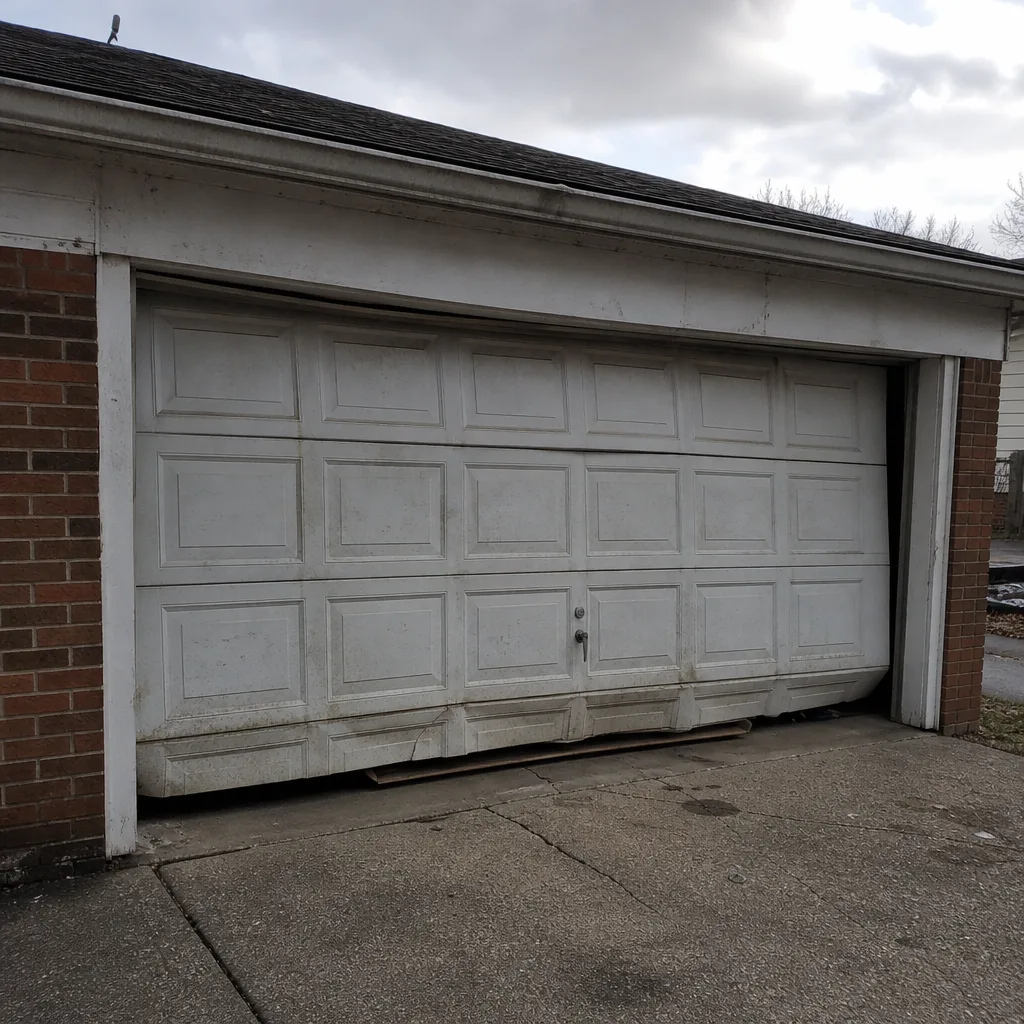 Before
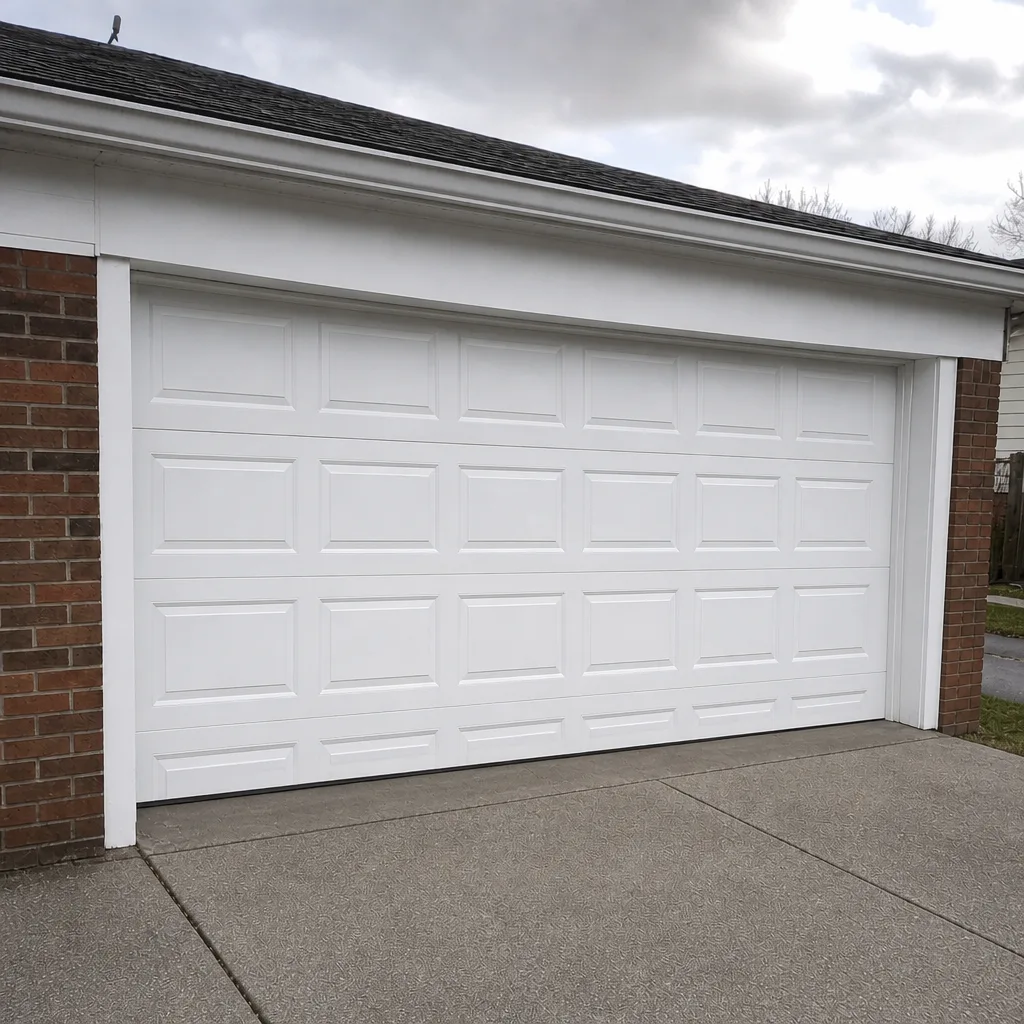 After
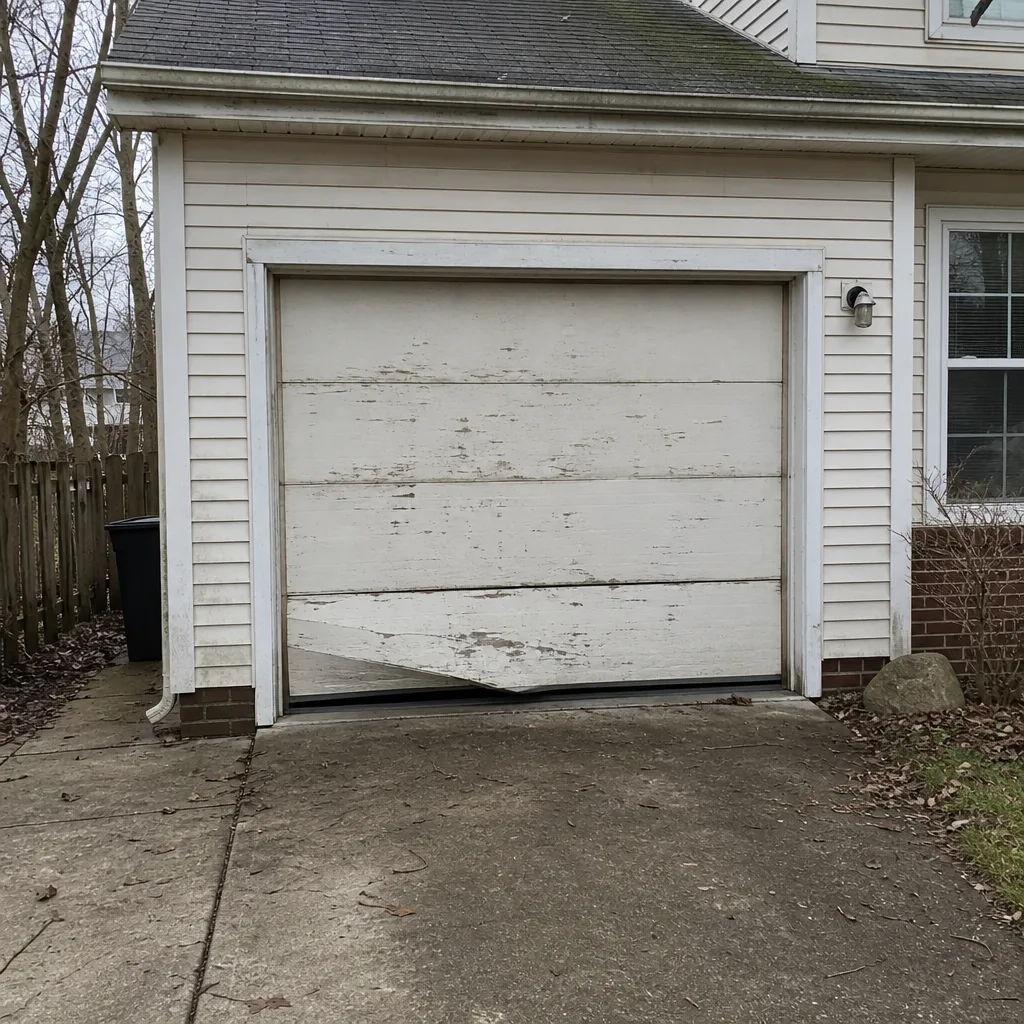 Before
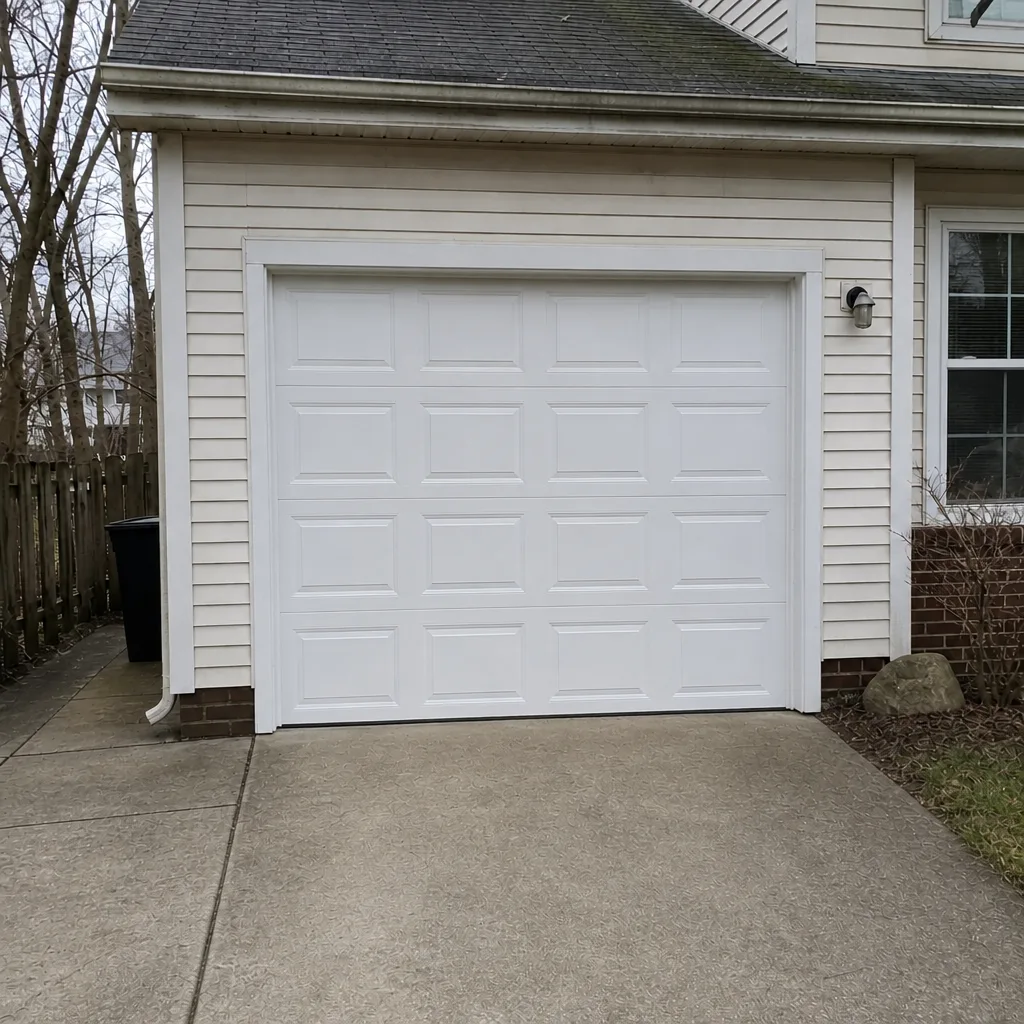 After
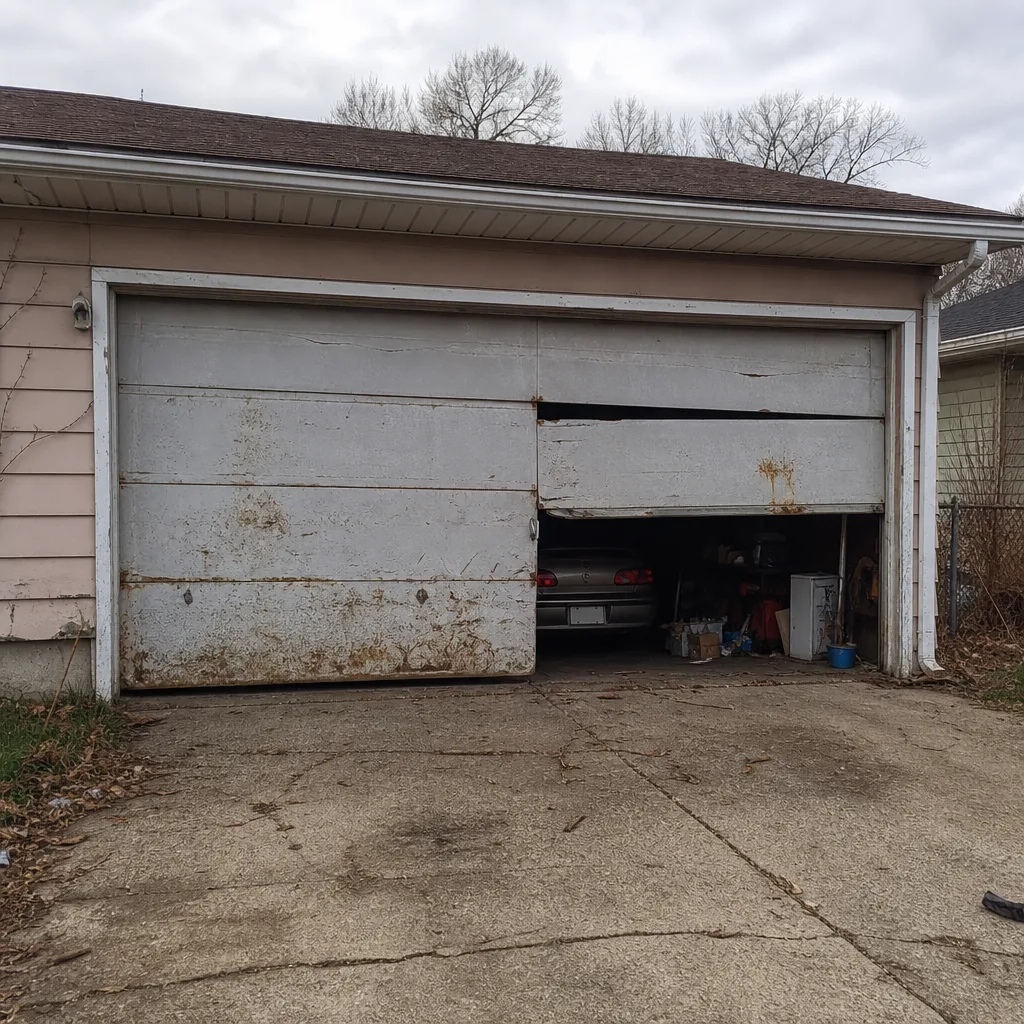 Before
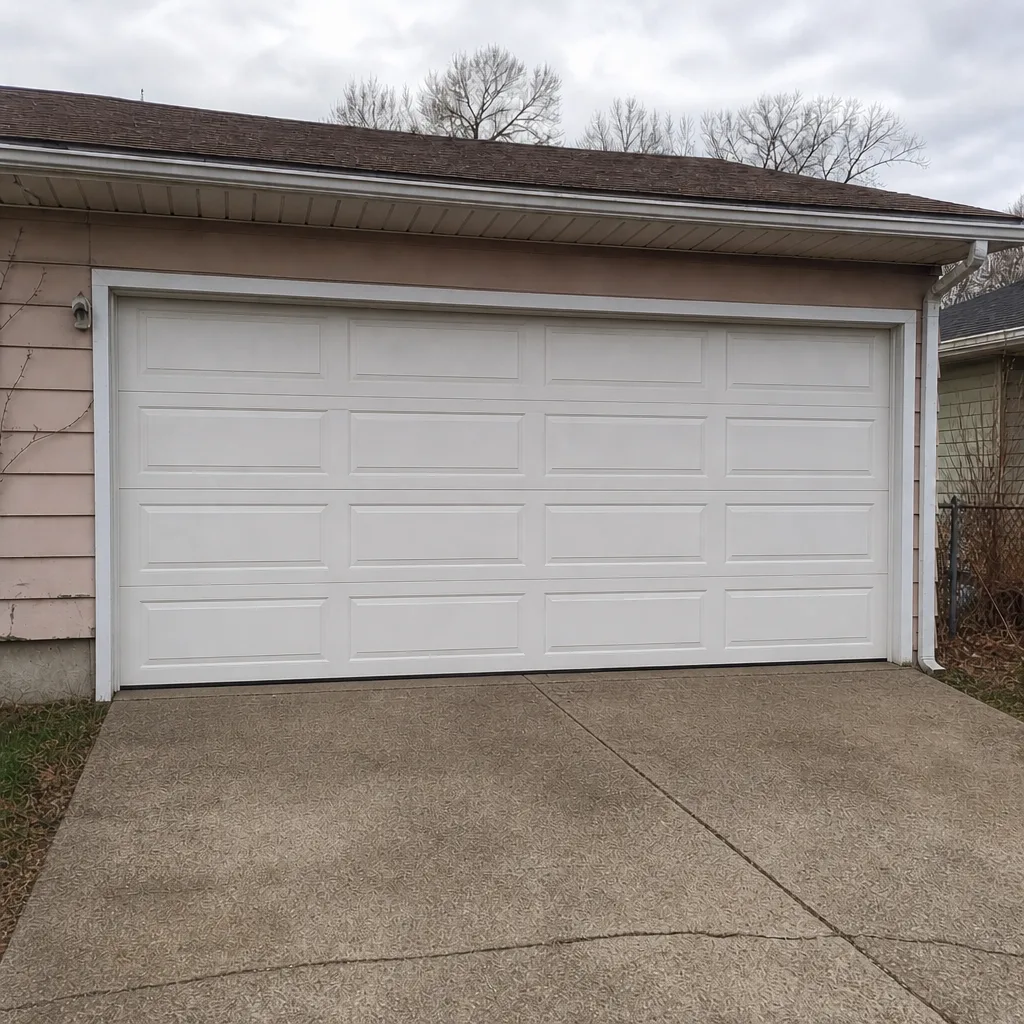 After