
Last updated November 21, 2026
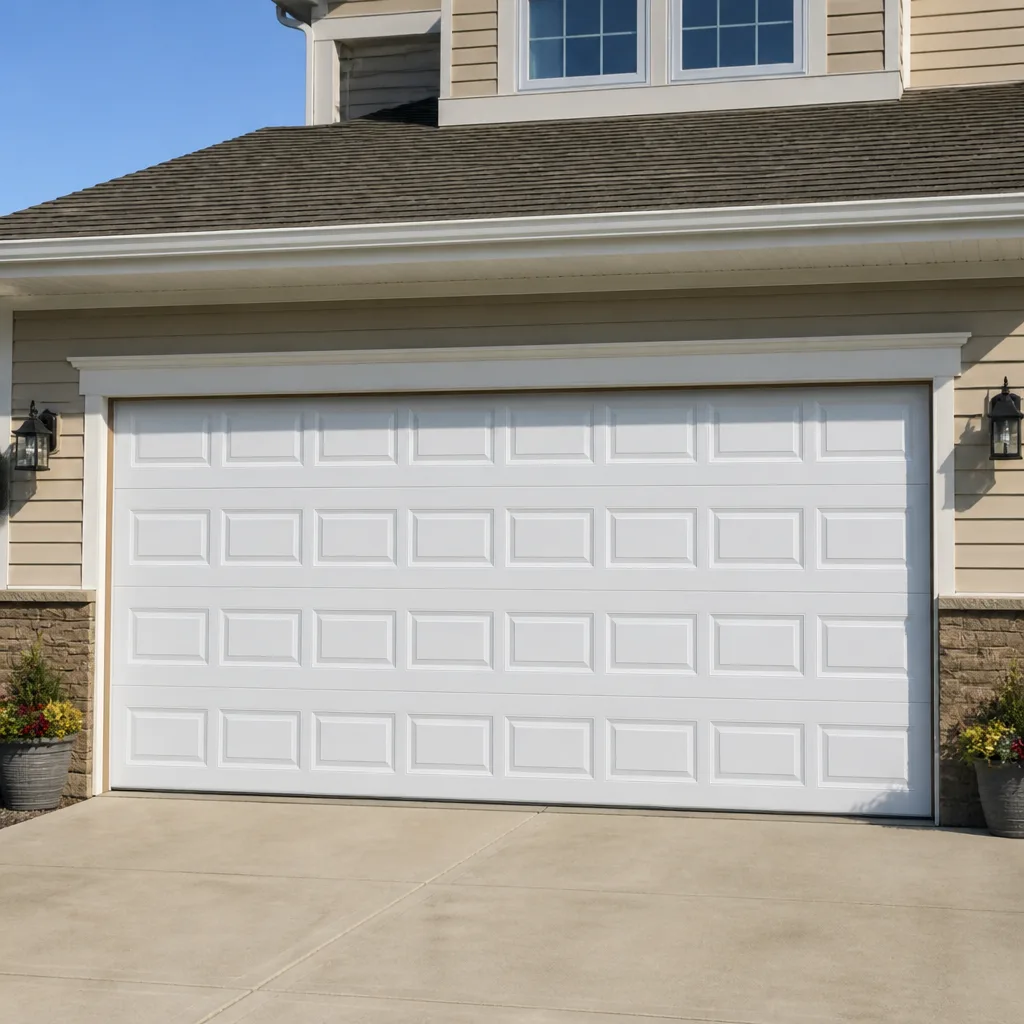 Raised-panel steel
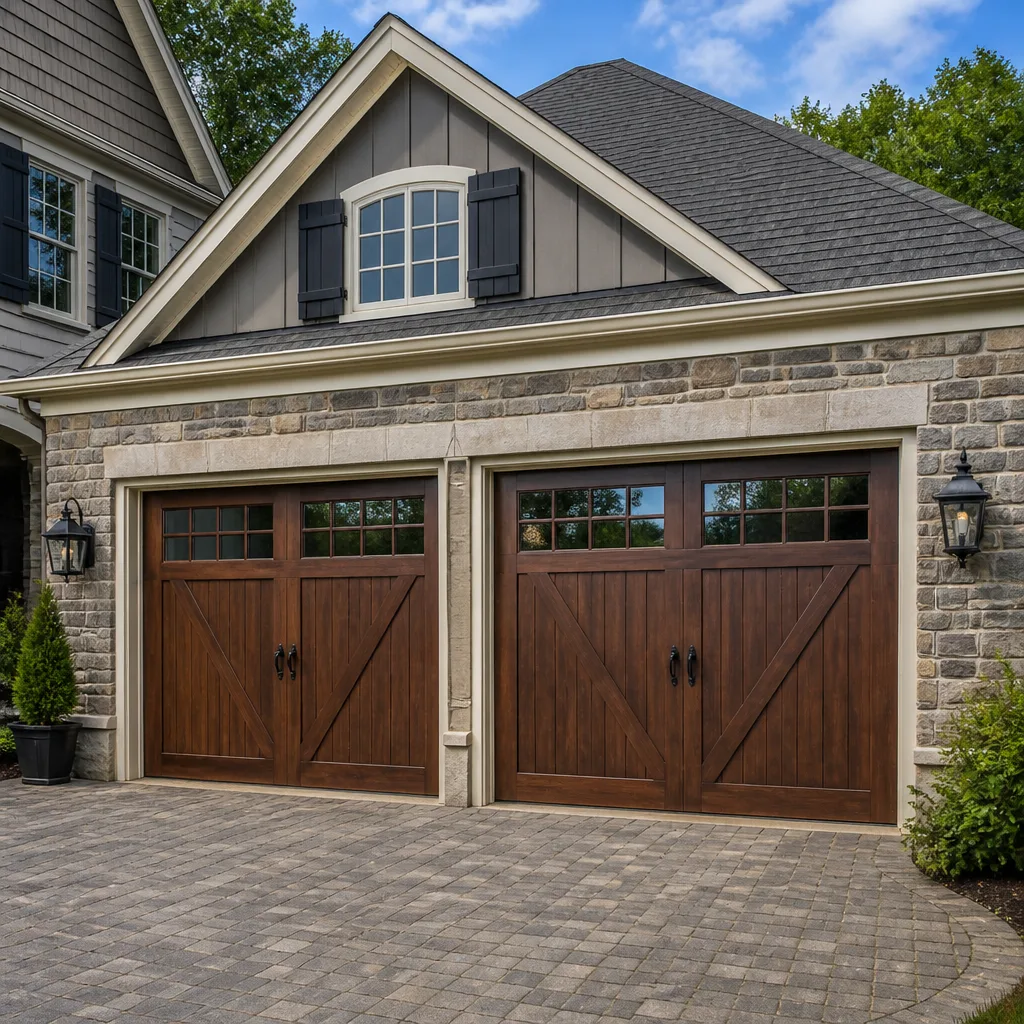 Carriage house
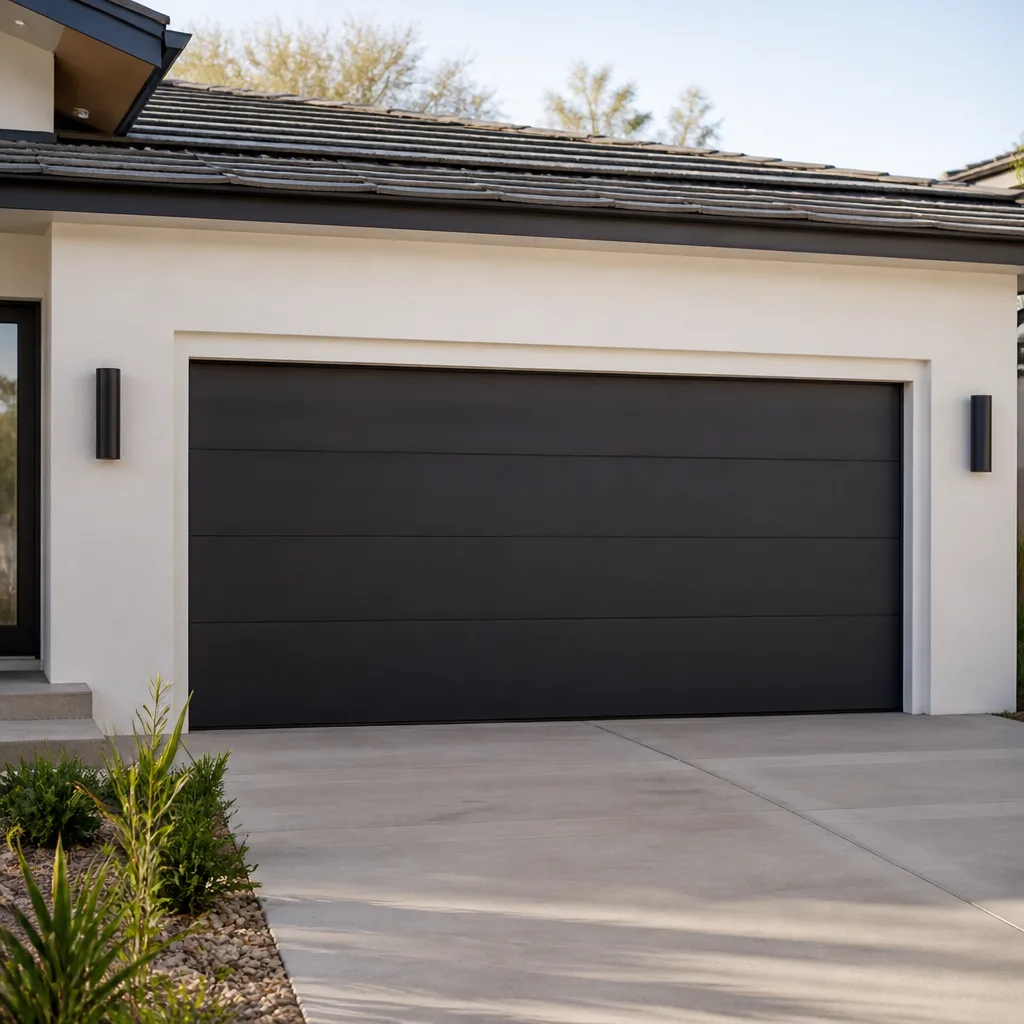 Modern flush
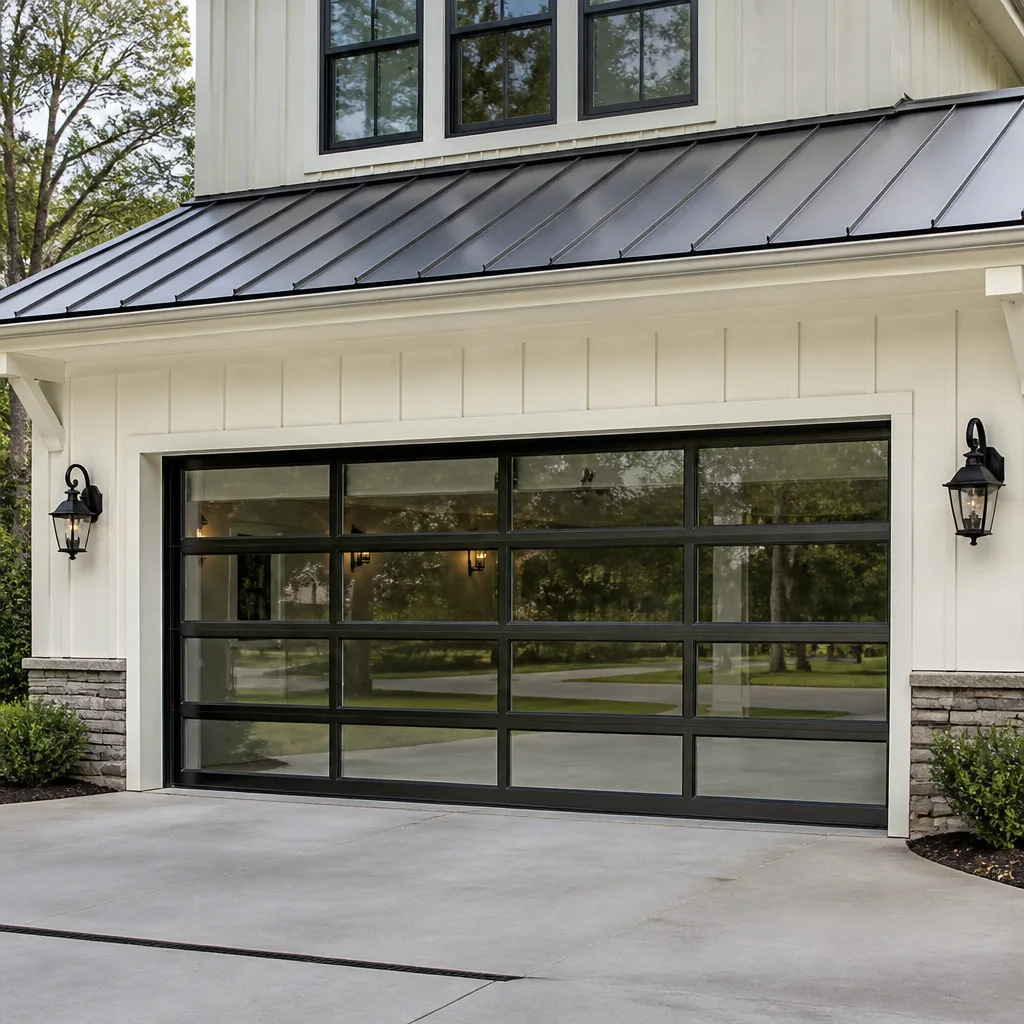 Full-view glass
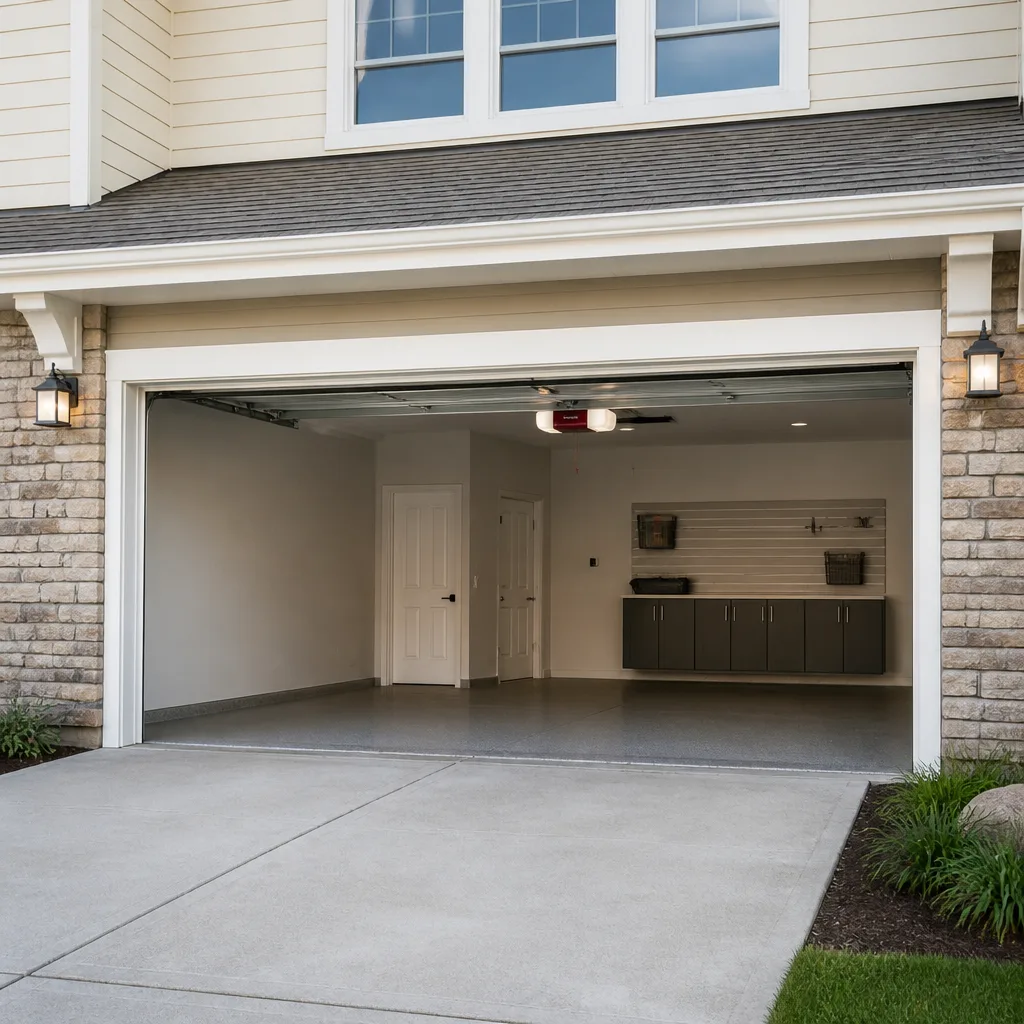 LiftMaster openers
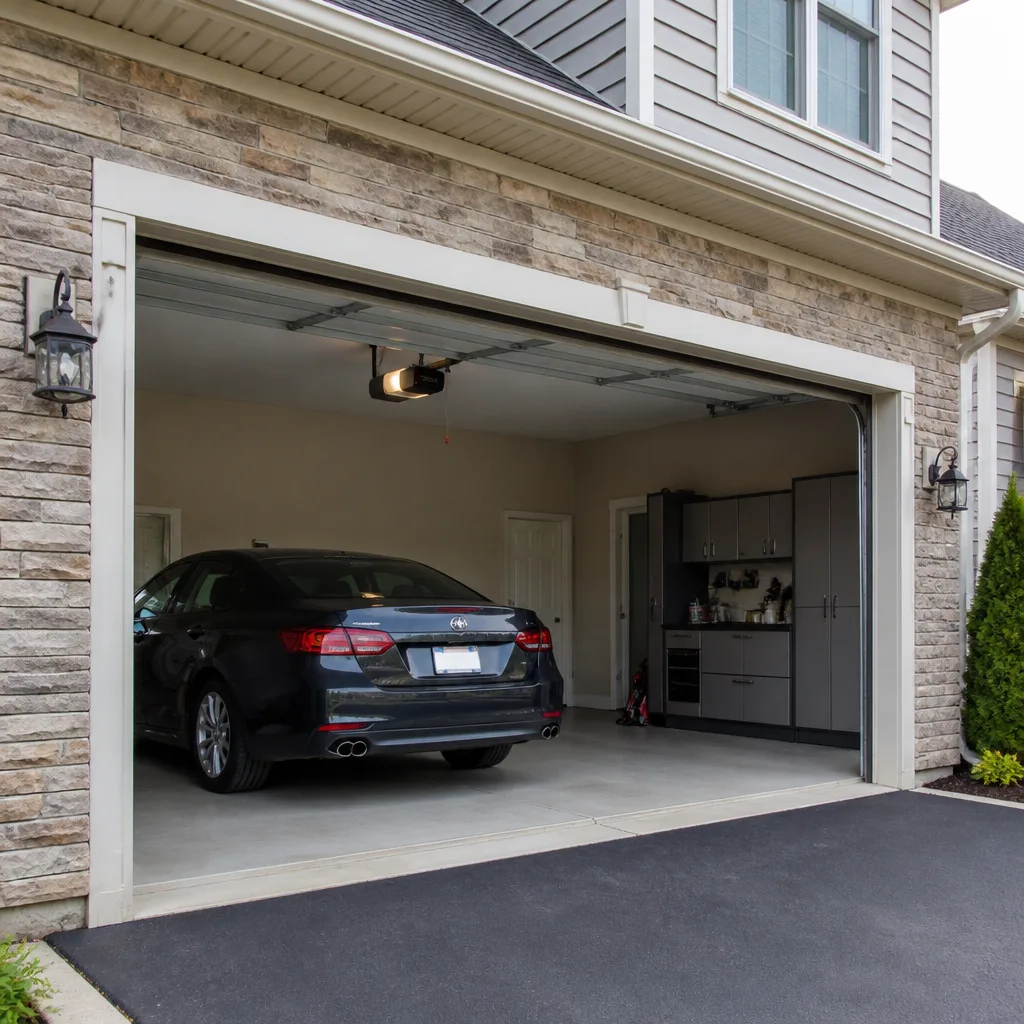 Chamberlain openers
Full 25-point door and opener safety check with every visit - springs, cables, rollers, tracks, and your LiftMaster or Chamberlain opener included
You get a price before we start. It does not change when the pro arrives.
Get your free estimateSeasonal Garage Door Care for Akron: Year-Round Homeowner’s Guide
Most garage door advice pretends the year divides neatly into four equal seasons. Akron’s weather doesn’t cooperate with that. The door on your house spends about five months fighting hard freeze, then a few brutal weeks of freeze-thaw cycling as the ground heaves in March and April, then a humid summer that quietly works on wood panels and circuit boards. The failures we get called about in January and February were usually set up back in October, when the lubricant wasn’t refreshed before the first cold snap and the weatherstripping went into winter already flattened from summer heat. This guide skips the generic twelve-month checklist and organizes care around Akron’s real mechanical stress periods. You’ll learn which months actually matter, what’s happening to the metal and seals when temperatures drop, and how to inspect for the specific damage our thaw season causes.
Styles & brands we work with
- Raised-panel steel
- Carriage house
- Modern flush
- Full-view glass
- LiftMaster openers
- Chamberlain openers
Quick Answer
Seasonal garage door care in Akron works best on a two-peak schedule rather than four equal seasons. Late fall (October through early November) is the highest-leverage window: lubricate springs, hinges, and rollers before the first hard freeze, and replace weatherstripping that has lost its compression. Early spring (March through April) is the inspection window: check for frost heave damage, cracked bottom seals, and loosened track fasteners caused by thermal cycling. Summer and mid-winter are lower-stakes periods for preventive work and better used for watching and correcting small issues before they escalate.
Table of Contents
- Why Akron’s Garage Door Year Has Two Stress Peaks, Not Four
- Fall Prep: The Highest-Leverage Maintenance Window
- What Sub-Zero Cold Actually Does to Springs and Lubricant
- Spring Thaw Inspection: Frost Heave, Seals, and Track Fasteners
- Summer Humidity and Its Effect on Wood Panels and Openers
- Storm Season: Wind, Impact Damage, and Power Outages
- Month-by-Month Task Calendar for Akron Homeowners
- When to Call a Professional
Why Akron’s Garage Door Year Has Two Stress Peaks, Not Four
A garage door is a mechanical system with a few hundred moving interfaces: rollers in tracks, hinges between panels, springs under constant tension, and a seal compressed against the floor every time it closes. Each of those interfaces has a temperature range where it behaves well. Akron pushes the system outside that range twice a year, and the transitions are where things break.
The first peak runs from late October into December. Temperatures drop fast enough that lubricants thicken before anyone thinks to refresh them, seals stiffen, and the metal in springs and tracks contracts. The second peak is March and April, when the ground under your driveway and garage slab thaws unevenly. Frost heave lifts one corner of a slab a fraction of an inch and drops another. Hardware that was tight in November is suddenly loose, and the door that tracked smoothly all winter starts dragging or binding.
Between those two peaks sit two calmer windows. Midsummer is hot and humid but mechanically gentle on steel. Deep winter is hard on seals and openers but nothing is moving in the ground, so structural issues tend to hold steady.
What that means practically:
- October and early November get the most preventive attention, because every task you finish before the first freeze prevents a failure later.
- March and April get the most inspection attention, because thaw damage is easier to fix before it grinds a door out of alignment.
- June through August is watch-and-listen season, focused on moisture and electronics.
- December through February is damage-control season, where you handle what the fall prep didn’t catch.
Once you see the year that way, the maintenance calendar stops being an abstract list of chores and becomes a schedule tied to what’s physically happening to your door. In Fairlawn, Cuyahoga Falls, and the older neighborhoods around Highland Square, that schedule looks much the same, though homes with wood doors need extra attention during the humid months.
Fall Prep: The Highest-Leverage Maintenance Window
If you do nothing else on this list, do the fall work. A door that gets lubricated, tightened, and re-sealed in October is far less likely to fail in January, and the tasks themselves are simple.
The five fall tasks that matter most
- Lubricate springs, hinges, rollers, and the opener rail. Use a garage-door-specific lubricant, not general-purpose oil or grease. The right product stays effective across a wider temperature range and won’t attract grit the way thicker grease does.
- Check and replace bottom weatherstripping. If the seal is compressed flat, cracked, or has pulled loose from the retainer, replace it now. A stiff, worn seal lets cold air and moisture under the door and can cause the opener to misfire on the safety reversal test.
- Test the auto-reverse and safety sensors. Place a roll of paper towels or a scrap of wood in the door’s path and confirm the door reverses on contact. Then break the beam between the photo-eye sensors and confirm the door reverses there too. If the second test fails, clean the sensor lenses first.
- Tighten visible hardware. Bolts on hinges and the track brackets can work loose over a season. Snug them down by hand or with a wrench. Don’t over-torque, and don’t touch the spring system.
- Listen for anything new. Grinding, popping, or a door that shudders partway up are early warning signs. Fall is the right time to have them diagnosed, before cold makes them worse.
For LiftMaster and Chamberlain openers with a belt or chain drive, autumn is also a good time to check that the manual release works smoothly, so that if you lose power in a winter storm you can disengage the door safely.
We work on the most widely installed brands in this market, including LiftMaster and Chamberlain, so the seasonal quirks of your exact system aren’t a mystery to us. When something does need attention, a routine garage door repair in October is typically quick and straightforward. Fall is also a good time to think ahead about a full garage door installation if your current door is on its last legs, since lead times on new panels and hardware stretch out heading into winter.
What Sub-Zero Cold Actually Does to Springs and Lubricant
Torsion spring metal doesn’t become brittle in the way people assume. Steel retains useful ductility at the temperatures Akron reaches. The real problems in sustained sub-zero weather are more mechanical and more fixable.
First, the spring holds enormous stored energy. A torsion spring is wound to counterbalance the full weight of the door. At very cold temperatures, oil and coatings on the spring get stiff, and any corrosion or surface defect becomes a stress riser. That’s one reason a spring that was already slightly fatigued tends to snap in the first hard cold snap of the year rather than midsummer: the cold adds friction and removes the small amount of give the coating was providing.
Second, lubricant viscosity changes with temperature. A lubricant that flows well at 70°F thickens at 10°F. Thick lubricant in hinges and rollers means more drag, and the opener works harder to lift the same door. The motor draws more current, the door moves more slowly, and the components wear faster. This is the mechanism behind most “my door feels sluggish in winter” complaints.
Third, metal contracts in cold. A steel track shortens measurably between summer and deep winter. On most installs the fasteners have enough slack to absorb that. On a door where the brackets were already marginal, the contraction can pull a track slightly out of plumb, and a door that ran quietly all summer starts to scrape.
What to check rather than fix yourself: look at the spring for visible gaps, rust trails, or a wavy coating, and listen for a sharp metallic report when you open the door. Check that the door moves smoothly by hand (with the opener disconnected) if you’re comfortable doing so safely.
A torsion spring under load is one of the most dangerous components in any home. If you suspect a spring has failed, or if you’ve never had a technician inspect it, do not attempt to adjust or replace it. This is work that requires the right winding bars and a trained technician. Spring repair is one of our named services for exactly that reason. When a spring lets go, we can book a same-day visit, and the local pro confirms the price with you before any work begins.
Spring Thaw Inspection: Frost Heave, Seals, and Track Fasteners
March and April are when Akron’s ground does its most disruptive work. As the frost leaves the soil, the slab under your garage and the concrete apron at the door can move. This is where a lot of quiet damage happens.
What frost heave does to a garage door
Frost heave is the lifting of soil as water freezes and expands. When that soil thaws unevenly, the concrete slab can settle or rise in spots. At the garage door threshold, that means the door may suddenly sit a fraction of an inch higher on one side, or the bottom seal may drag on one corner and gap on the other.
What to inspect after the first thaw:
- The bottom seal. Look for compression cracks, chunks missing, or a seal that’s pulling away from the retainer. If the gap lets a visible sliver of daylight under the door, the seal or the door’s closing height needs attention.
- Track fasteners. Check the lag bolts and brackets that hold the vertical tracks to the wall. Thermal cycling can work them loose. If you can wiggle a bracket by hand, it needs to be tightened, and if the wood behind it is soft or split, that’s a bigger fix.
- The door’s opening and closing action. Run the door fully up and down and watch both sides. If it moves unevenly, binds on one side, or the tracks show a visible bend, stop and get it looked at.
- The opener’s force settings. If the door suddenly needs more force than before, that’s usually a symptom of a binding door, not a tired opener. Don’t turn up the force to compensate; find the binding.
Why the door height matters more than it seems
A door that closes an eighth of an inch higher than it used to lets cold air, meltwater, and small animals under it all winter. That shows up as a higher heating bill and a wet floor. After thaw, a quick check of the seal against the threshold tells you whether the door is closing to the same point it did last year.
If you’re seeing multiple issues at once (dragging seal, loose fasteners, uneven travel), that’s a sign the alignment needs professional correction rather than spot fixes. Our technicians have up to 15 years of experience reading thaw-related problems and can sort out what’s slab movement versus hardware wear. Same-day visits are usually possible during thaw season, and the price is quoted and agreed before any work starts.
Summer Humidity and Its Effect on Wood Panels and Openers
Akron’s summers are warm and humid, and the garage is usually the least climate-controlled space on the property. That has two consequences worth planning for.
Wood doors and moisture
If your door is a wood panel design, or a steel door with wood-look overlays, humidity matters. Wood absorbs moisture and swells slightly in June and July, then dries and shrinks in fall. Over time that cycle loosens joints, opens finish cracks, and lets water into end grain. The visible signs are paint bubbling at the bottom rails, cracking along panel edges, and a bottom rail that feels soft when you press it.
The fix is straightforward. Keep a complete coat of exterior paint or stain on the door, with particular attention to the bottom rail and panel seams where water pools. Touch up any bare spots before the humid season, not after. If the door has a metal bottom rail, inspect the caulk line at the panel seams.
Openers and electronics in a humid garage
Openers live in a hostile environment. The circuit board is inside a housing mounted to the ceiling, and during a humid summer that housing can develop condensation. The symptoms show up as erratic operation: the door stops halfway, the remote works from only a short distance, or the wall control buttons don’t respond on the first press.
What helps:
- Keep the opener’s vents clear of dust and cobwebs so the housing can breathe.
- Check that the housing cover is fully seated and the antenna wire isn’t pinched.
- Replace the remote battery at the start of summer rather than waiting for it to fail.
- If the opener acts up on the most humid days and behaves normally on dry ones, the board or the logic is worth a proper diagnosis.
When symptoms point to the opener rather than the door, our garage door opener repair service covers the major brands, including LiftMaster, Chamberlain, Genie, and Craftsman. A quick diagnosis beats guessing and swapping out parts.
Storm Season: Wind, Impact Damage, and Power Outages
Northeast Ohio sees its share of strong summer storms and the occasional winter wind event. Hail is uncommon here, but wind-driven debris, falling limbs, and impact damage are not. The garage door is usually the largest moving object on the house and one of the biggest exposed surfaces, which makes it a common target for damage after a storm.
After a storm, check these in order
- Look at the door panels for dents, creases, or punctures. Even a small dent can compromise a panel’s structural strength and cause the door to run unevenly. Panel damage on a steel door is often repairable without replacing the whole door, but check with a technician before assuming so.
- Verify the tracks are straight. A bent vertical or horizontal track is the most common storm consequence. A door forced back into a bent track can fall out of the opening. Don’t cycle the door if the tracks look visibly deformed.
- Test the opener’s force and reversal. Storms can leave debris on the safety sensor lenses. Clean them and re-run the reversal test.
- Check the top section for water intrusion. Wind-driven rain can get past the top seal. Inspect the inside of the door for water stains after any hard storm.
When the power goes out
Every opener has a manual release cord. Pull it to disengage the door from the opener, then lift the door by hand. Re-engage it by pulling the door up until it clicks back onto the carriage. If the door is too heavy to lift by hand, the spring system needs a technician, not a stronger pull.
If a storm leaves you with a door that won’t close, a bent track, or an opener that won’t respond, that’s exactly the kind of urgent situation our emergency garage door service covers. We answer 24/7. Fast dispatch from 7am to 7pm, Sunday through Friday. A call that comes in outside dispatch hours gets booked into the next opening. For homeowners across Northwest Akron and Wallhaven, getting the door secured quickly matters, especially if a storm has left the garage open. The price is still set by the written estimate, so you know the cost before we start.
Month-by-Month Task Calendar for Akron Homeowners
Akron’s average first frost lands in mid-to-late October and the last frost usually comes in late April or early May. That gives you a fairly reliable calendar to plan around. The monthly list below is built around those dates.
January through February: hold and listen
- Keep the door’s travel path clear of ice and snow buildup at the threshold.
- Listen for new noises; note them for the spring inspection.
- Don’t attempt to lubricate in sub-freezing temperatures, since cold-thickened lubricant won’t distribute properly.
March through April: thaw inspection
- Inspect the bottom seal, track fasteners, and door travel after the first significant thaw.
- Test the safety reversal and photo-eye sensors.
- Book any repair found now, before the door gets heavier use in summer.
May: post-thaw tune-up
- Lubricate the springs, hinges, and rollers as temperatures warm.
- Touch up paint on wood or painted steel doors before the humid season.
- Check the opener’s force settings against the manufacturer’s chart.
June through August: humidity watch
- Inspect for swelling, paint failure, or soft spots on wood panels.
- Replace remote batteries and check that the opener’s housing is sealed.
- After any big summer storm, inspect for panel impact and track bends.
September: pre-fall review
- Run the full reversal test again.
- Check the weatherstripping and plan to replace it if it’s failing.
- Examine the opener’s drive belt or chain for visible wear.
October through November: the main prep window
- Lubricate all moving interfaces right before the first freeze.
- Replace bottom weatherstripping and any failing seal on the sides and top.
- Tighten loose hardware on hinges and track brackets.
- Have a technician inspect the spring system before cold stresses it.
December: last call
- Clear snow and ice from the threshold.
- Verify the manual release is working.
- Note any anomalies for the spring check.
Homeowners in Tallmadge and Stow, which sit a bit higher and tend to see slightly colder nights, benefit from moving the October tasks up by a week or two. It’s a small adjustment that pays off in fewer mid-winter surprises.
Common Mistakes to Avoid
- Using WD-40 or general-purpose oil on the springs or rollers. These products are solvents and light lubricants, not door lubricants. They evaporate quickly and can actually attract grit that accelerates wear. Use a product formulated for garage doors.
- Turning up the opener’s force setting to fix a binding door. The opener is reporting a symptom (the door is dragging), not a cause. Cranking the force forces the opener to work harder against a problem that usually gets worse, and can damage the door.
- Using a car’s remote or a neighbor’s remote to test the range. Opener range depends on the remote’s battery, the antenna, and interference from the garage’s surroundings. Test with the remote that came with your opener, ideally more than once.
- Ignoring the bottom seal because it still “looks fine.” A worn seal causes an opener to fail the reversal test, lets meltwater in, and looks fine from outside. Check it visually and by running a hand along it.
- Forgetting about Akron’s thaw season. Many homeowners do the fall checklist and then skip spring entirely. The spring inspection catches frost heave damage that only becomes obvious once the weather warms.
- Attempting spring work yourself. Torsion springs are under hundreds of pounds of tension and can cause serious injury if the wrong tools or procedure are used. This is not a job for homeowner tools.
- Assuming a wood door needs no work in summer. Humid Akron summers are when wood doors absorb the most moisture. The time to protect the finish is before the humid months, not after you see rot.
When to Call a Professional
Most of the seasonal work above is safe for a homeowner: lubricating, cleaning, testing the reversal, replacing a weather seal, tightening visible hardware. But some things should always go to a trained technician.
Call a professional if the spring is broken, if the door feels unusually heavy on the manual release, if the tracks are bent or the door binds partway up, if the opener fails the reversal test after cleaning the sensors, if you see daylight under the door after replacing the seal, or if the door has been hit by a vehicle or storm debris. Those scenarios point to mechanical problems that a homeowner fix can make worse. For an urgent failure, call and we can often be on-site the same day.
Garage Door Repair Akron Pros offers free estimates in Akron. Call (833) 317-2051. The local pro is licensed and insured as their state requires, and the price is quoted and agreed before any work begins.
Frequently Asked Questions
Twice a year is enough in Northeast Ohio: once in late spring, once in early fall before the first freeze. Fall is the more important of the two, since a fresh coat of door lubricant before cold weather prevents sluggish operation and drag on the opener. Use a garage-door-specific lubricant, not general-purpose oil.
Yes. Wood doors need the same mechanical care as steel doors plus attention to finish. Check the paint or stain before the humid months and touch up any bare spots, and plan on a full repaint every few years depending on sun exposure. Inspect the bottom rail and panel seams after the thaw season for water intrusion.
A sharp metallic popping sound when the door is opening, followed by a door that suddenly feels very heavy, is the most common warning. Some springs also show visible rust trails or gaps before they break. If you notice any of these, stop using the door and have it inspected. Never attempt to adjust a torsion spring yourself.
Most fall prep is safe for a homeowner: lubricating, testing the reversal, and replacing a bottom seal all fall in that category. Anything involving the springs, cables, or track alignment should be left to a technician. If you’re unsure whether a task fits in the safe category, it’s usually best to get it checked rather than guess.
Akron’s freeze-thaw cycles are a touch more aggressive than cities further south in Ohio, and slightly less aggressive than the lake-effect belt to the northeast. Practically, that means the fall and spring windows matter more here than in Columbus or Cincinnati, but a homeowner in Cleveland or Mentor would work from a very similar calendar.
Often yes. We answer 24/7 and fast dispatch runs from 7am to 7pm, Sunday through Friday. A call that comes in outside dispatch hours is booked into the next opening. Call (833) 317-2051 for an exact quote. Estimates are free.
The Bottom Line
Garage doors in Akron don’t need a generic twelve-month checklist. They need attention before the first hard freeze in October, a real inspection after the spring thaw in March and April, and a lighter watch on humidity and storms through the summer. That two-peak schedule catches most of what goes wrong, and the fall work is where you get the biggest return. The rest is knowing when a small issue is a homeowner fix and when it needs a specialist. When it needs a specialist, a single call handles everything from a snapped spring to a dying opener to a full new door, without handing you off to another contractor. That’s the advantage of working with a team whose entire business is garage doors. Browse Garage Door Repair Akron Pros for the full scope of what we handle.
Call (833) 317-2051 for a free estimate. The price is quoted and agreed before any work starts. If you’re filing a warranty or insurance claim, we can work with your insurer.
Written by the team at Garage Door Repair Akron Pros.
See the difference
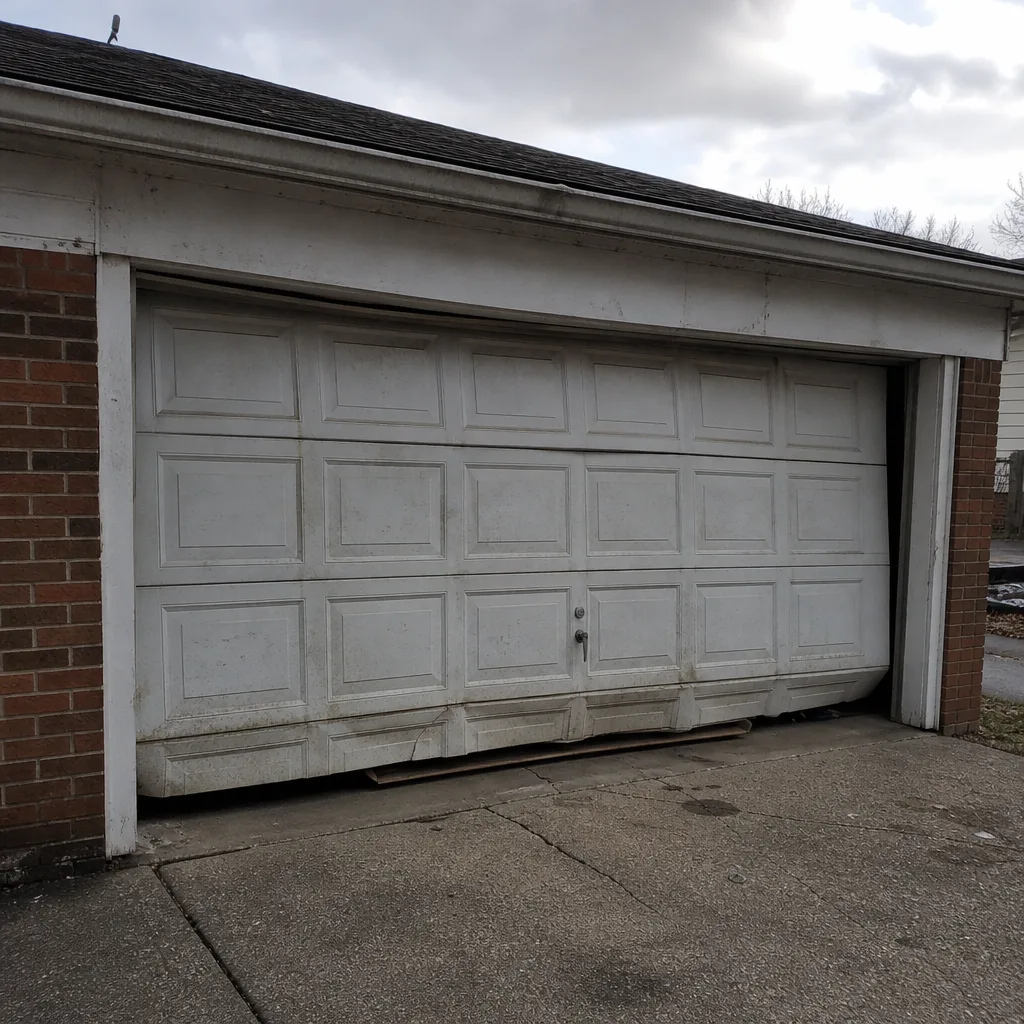 Before
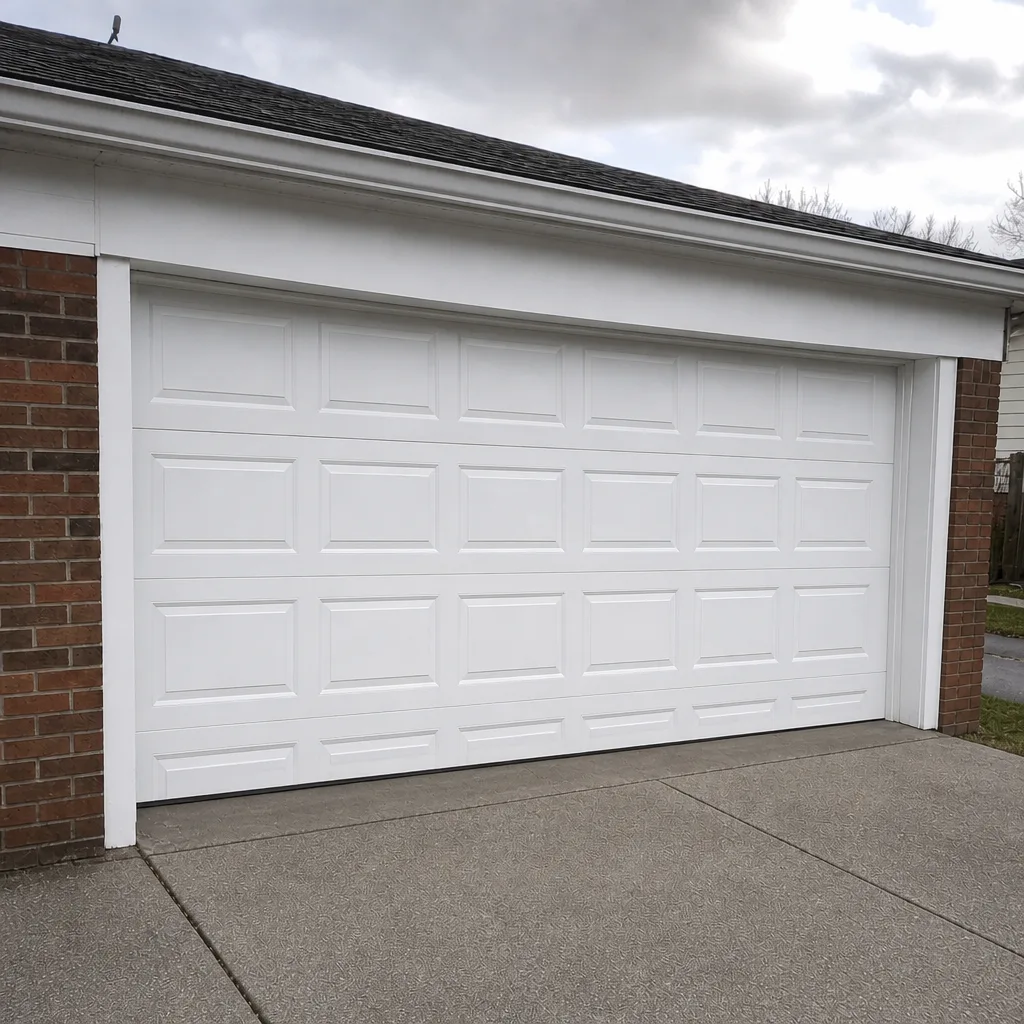 After
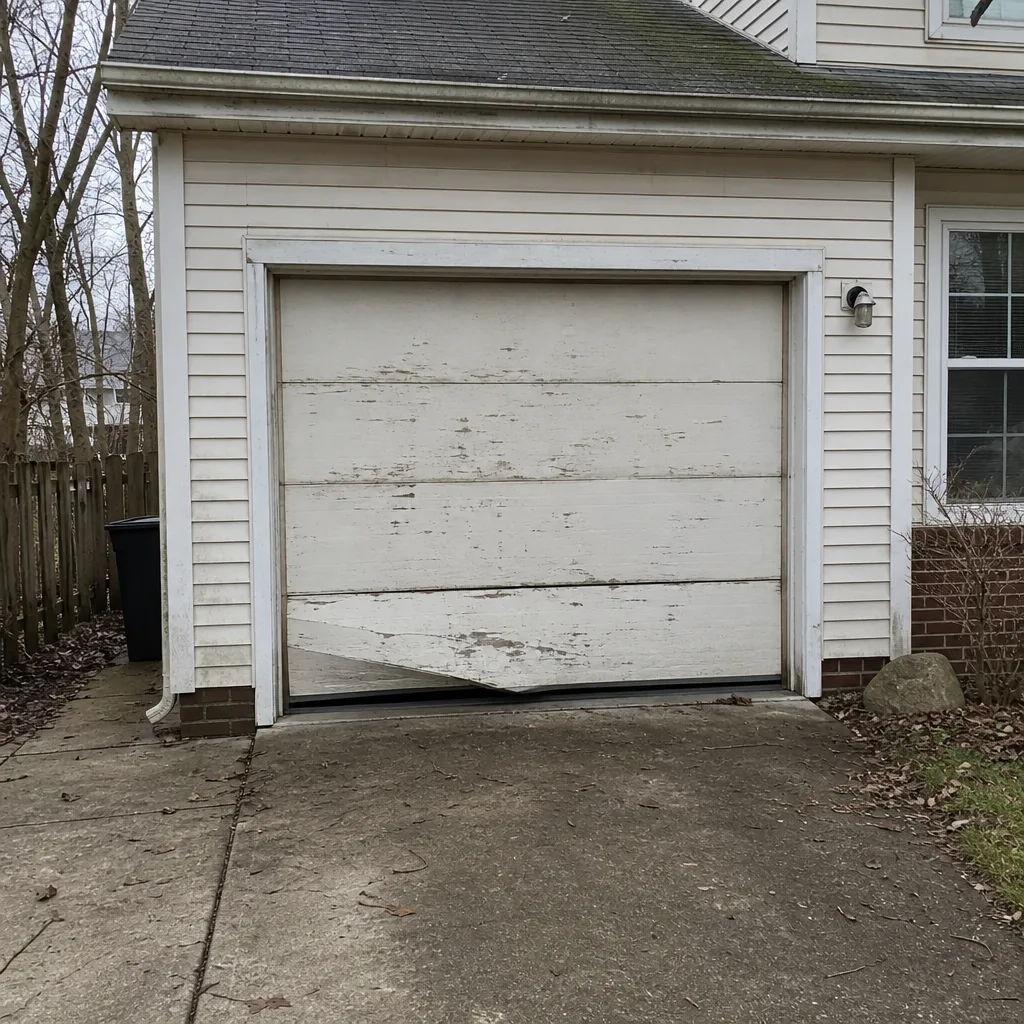 Before
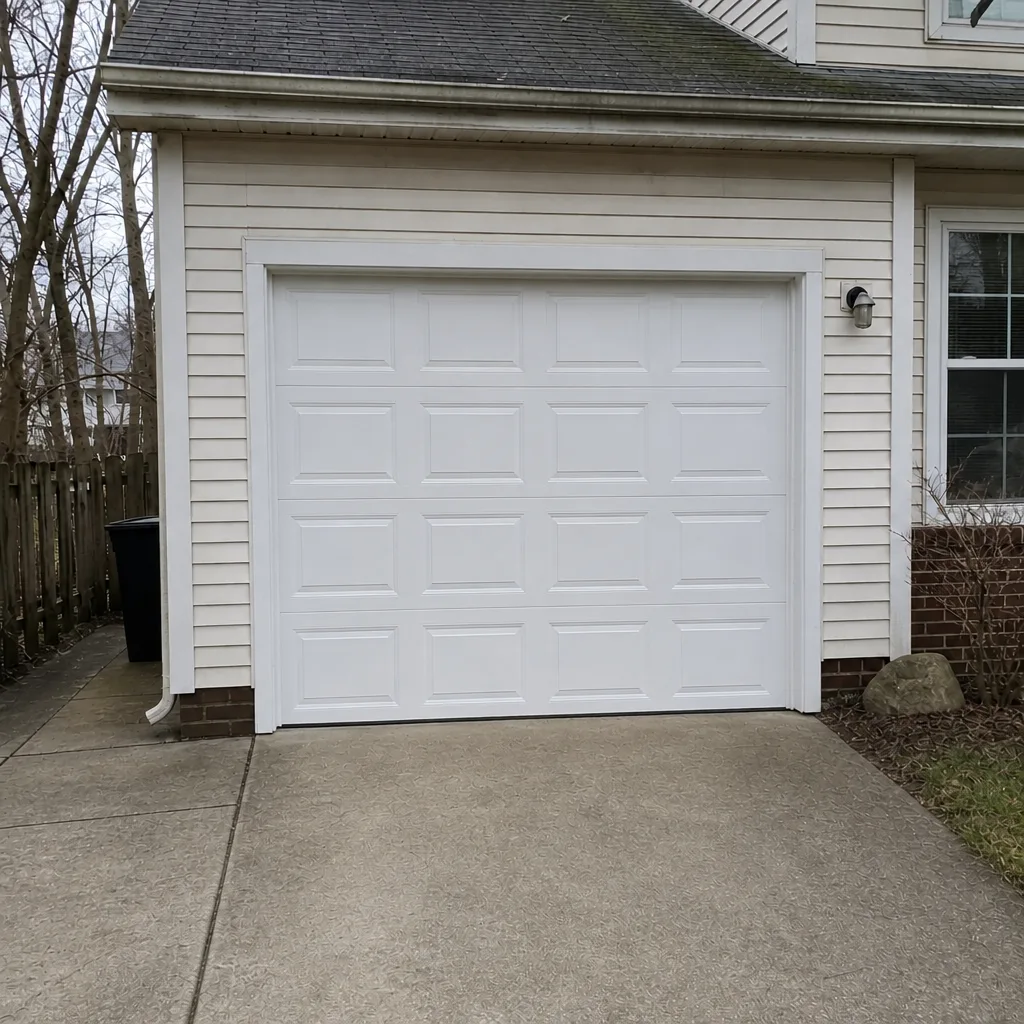 After
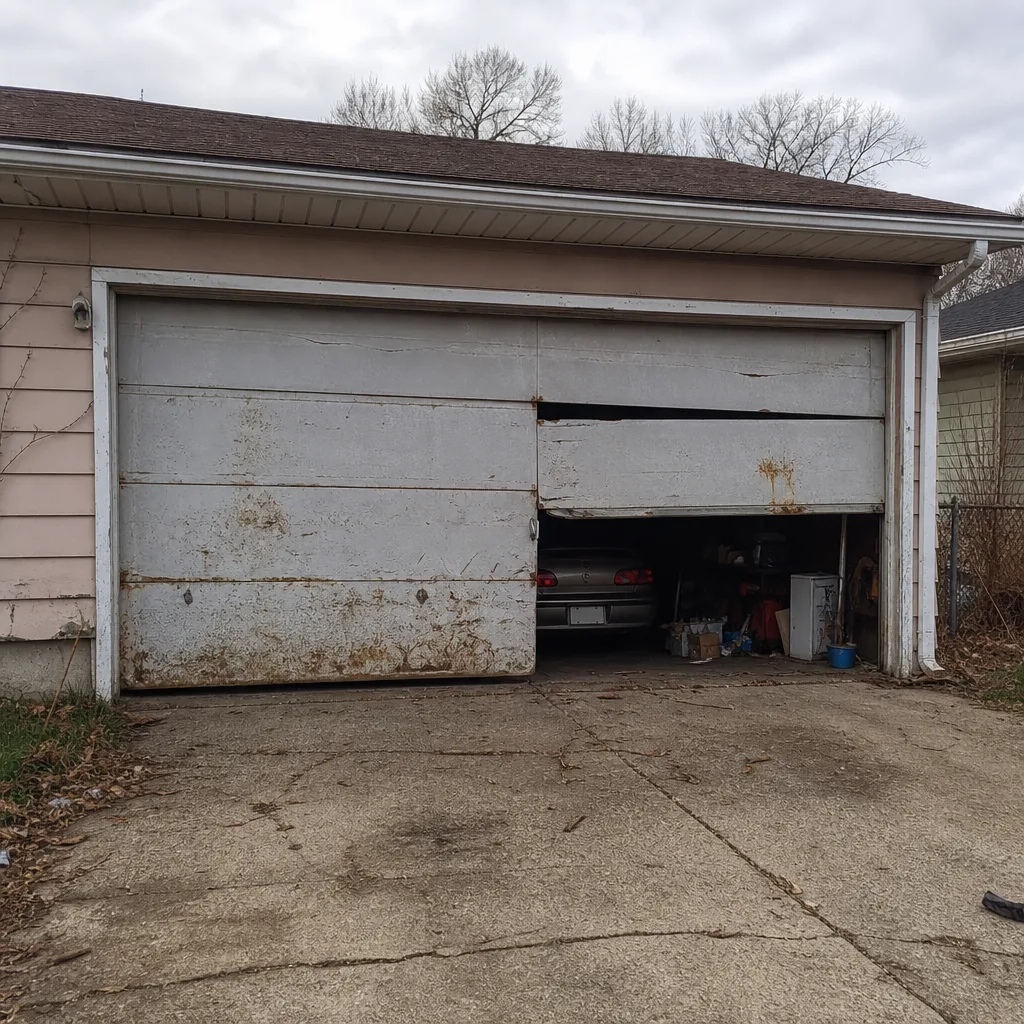 Before
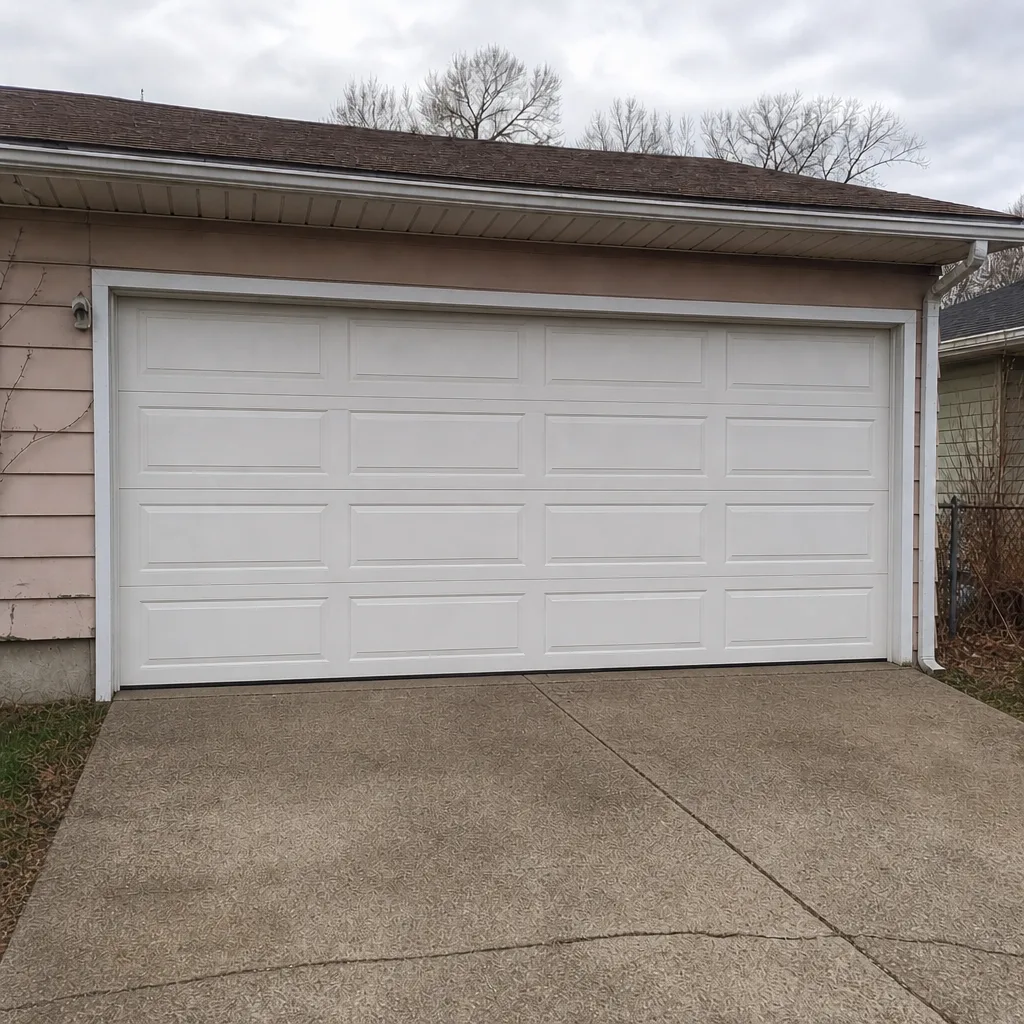 After